Listening preferences in 2026 increasingly emphasize detail, balance, and consistency during long sessions rather than exaggerated tuning. As high-resolution audio becomes more accessible, more listeners spend extended hours using headphones, making comfort, tonal accuracy, and fatigue-free sound just as important as technical performance. Audiophile-focused designs are therefore built to deliver fine detail and clarity without becoming overwhelming during prolonged listening.
Data from the global hearing health and consumer listening behavior sector indicates that extended listening is typically done at moderate volume levels. Guidance published by the World Health Organization (WHO) shows that most listeners keep playback levels below approximately 60 % of maximum volume during long sessions, which reduces auditory strain and fatigue.
This behavior places greater importance on tonal balance and controlled dynamics rather than aggressive bass or treble emphasis, helping explain why neutral or slightly warm sound signatures remain dominant in audiophile tuning.
Listening duration trends are also reflected in data from the global music and audio consumption industry. According to insights compiled by the International Federation of the Phonographic Industry (IFPI), a significant portion of engaged listeners regularly participate in sessions lasting two hours or more, particularly when using lossless or high-resolution formats. This usage pattern reinforces the need for headphones that maintain clarity and comfort over extended periods rather than prioritizing short-term impact.
This guide covers the most important factors to consider when choosing audiophile headphones, with a focus on sound quality, tonal balance, and long-session comfort. It explains how design, tuning, and listening habits influence the overall experience, helping readers understand what truly matters for extended, fatigue-free listening. By the end of this guide, you can expect a clear understanding of how to select headphones that deliver detailed, balanced sound without compromising comfort over time.
Factors to Consider When Choosing Audiophile Headphones
1. Sound Signature and Tonal Balance
Sound signature describes how a pair of headphones presents bass, midrange, and treble in relation to one another. Within the audiophile category, tonal balance refers to how evenly these frequency regions are represented without one range dominating the others. A well-balanced tonal profile allows music to sound natural and proportionate, rather than emphasizing impact or brightness.
Audiophile headphones prioritize tonal accuracy over dramatic emphasis because exaggerated bass or treble can become fatiguing during extended listening. Balanced tuning helps preserve detail across the frequency spectrum, allowing vocals, instruments, and ambient elements to remain clear and properly placed. This approach supports longer listening sessions without drawing attention to any single frequency range.
Neutral or slightly warm sound signatures are often preferred for long-session listening. These profiles typically reduce sharpness in the upper frequencies while maintaining clarity and separation across the soundstage. By avoiding excessive treble energy, these designs help minimize listening fatigue during sessions that extend beyond an hour or more.
From a category-wide perspective, tonal balance aligns closely with real-world listening behavior. Many audiophile listeners spend extended time at moderate volume levels, where uneven frequency emphasis becomes more noticeable over time. Headphones that maintain tonal balance allow listeners to focus on musical detail and spatial presentation rather than compensating for frequency extremes, supporting consistent and comfortable critical listening.
2. Driver Technology and Resolution
Driver technology refers to the type of transducer used inside a headphone to convert electrical audio signals into sound. In audiophile headphones, the driver is a core component that directly influences clarity, speed, and accuracy. Common driver types in this category include dynamic drivers, planar magnetic drivers, and electrostatic drivers, each with distinct acoustic characteristics.
High-quality driver technology plays a major role in sound resolution, which describes how clearly fine details in a recording are reproduced. Better drivers can resolve subtle textures such as instrument decay, spatial cues, and low-level background elements without smearing or distortion. This level of resolution becomes especially noticeable in complex or high-resolution recordings.
Different driver designs approach resolution in different ways. Planar magnetic and electrostatic drivers are often associated with faster transient response and lower distortion, while well-designed dynamic drivers can deliver natural timbre and strong coherence across frequencies. The effectiveness of any driver technology depends on how well it is implemented and tuned within the headphone design.
From a category-wide perspective, driver quality matters most during extended listening sessions. Drivers that struggle with control or consistency can introduce harshness or congestion over time, even at moderate volumes. Audiophile headphones prioritize driver technologies that maintain clarity and stability, supporting long-session listening without fatigue or loss of detail.
3. Open-Back vs Closed-Back Design
Open-back and closed-back designs explain how sound and air move through a headphone’s ear cups. In open-back models, air and audio pass freely through the rear of the ear cups, creating a more natural listening experience. By contrast, closed-back designs seal the drivers within an enclosed chamber, helping to reduce sound leakage. This structural difference directly influences sound presentation, comfort, and suitability for different listening environments.
Open-back designs are widely favored in the audiophile category due to their ability to create a wider and more natural soundstage. Increased airflow helps reduce internal pressure and resonance, which supports clearer imaging and more realistic spatial presentation. This design also contributes to reduced heat buildup during extended listening sessions.
Closed-back headphones prioritize isolation and sound containment by preventing audio from escaping the ear cups. This makes them better suited for shared or noisy environments, but the enclosed design can result in a more intimate soundstage. Careful tuning is required to avoid bass buildup or congestion that may affect long-session comfort.
From a category-wide perspective, the choice between open-back and closed-back designs depends largely on listening context. Open-back headphones are typically preferred for quiet, stationary environments where soundstage and comfort are priorities, while closed-back models offer greater versatility. Both designs can meet audiophile standards when acoustic behavior, tuning, and comfort considerations are properly balanced.
4. Comfort for Long Sessions
Comfort for long sessions refers to how consistently headphones remain wearable as listening extends over several hours. In the audiophile category, listening sessions often last longer than casual use, which makes physical comfort as important as sound accuracy. Even minor pressure or heat issues can become distracting over time.
Weight distribution plays a central role in long-session comfort. Heavier headphones can remain comfortable if weight is spread evenly across the head and ears, while lighter models can still cause fatigue if pressure is concentrated in small areas. Balanced structural design helps reduce physical awareness during extended listening.
Clamping force and padding materials also influence comfort over time. Headphones with controlled clamping force remain stable without applying excessive side pressure, while adaptive padding helps reduce pressure points. Breathable materials further support comfort by limiting heat and moisture buildup during long sessions.
From a category-wide perspective, long-session comfort supports critical listening habits. Audiophile listeners often engage at moderate volume levels for extended periods, where physical fatigue becomes more noticeable than auditory strain. Headphones designed to minimize pressure, heat, and fit-related discomfort help maintain focus on sound detail rather than physical adjustment.
5. Source Compatibility and Amplification
Source compatibility refers to how well audiophile headphones perform when paired with different audio sources, such as smartphones, portable players, or dedicated amplifiers. Factors like impedance and sensitivity influence how much power is required to drive the headphones effectively. Proper matching helps ensure consistent sound quality without distortion or loss of detail.
Higher-impedance headphones often require dedicated amplification to reach optimal performance levels. When paired correctly, amplification helps maintain dynamic range, clarity, and control across frequencies. Without sufficient power, some audiophile headphones may sound compressed or less detailed, particularly during complex passages.
Lower-impedance models are generally easier to drive and can perform well with a wider range of sources. However, source quality still plays a role in overall performance. Clean signal delivery and stable output help preserve tonal balance and resolution, even when using portable equipment.
From a category-wide perspective, understanding source compatibility supports more reliable listening outcomes. Audiophile headphones are designed with specific performance conditions in mind, and matching them with appropriate sources helps maintain consistency across listening sessions. This ensures that sound accuracy and comfort are preserved in real-world use.
Roundup of the Best Audiophile Headphones in 2026
| Overall Best | Sennheiser HD 600 S Open-Back Headphones |
| Best Planar Magnetic | Audeze LCD-X Planar Magnetic Headphones |
| Best for Natural Tonal Balance | Focal Clear Mg Open-Back Headphones |
| Best Studio Reference | Beyerdynamic DT 1990 Pro Open-Back Headphones |
| Best Lightweight Audiophile | HiFiMAN Arya Stealth Magnet Version Headphones |
| Best Closed-Back Audiophile | Focal Stellia Closed-Back Circum-Aural Headphones |
| Best for Tube Amplifiers | Audio-Technica ATH-R70x Professional Open-Back Reference Headphones |
| Best Premium Choice | Meze Audio Elite Planar Magnetic Headphones |
In-Depth Look — Best Audiophile Headphones
1. Sennheiser HD 600 S Open-Back Headphones
Overall Best
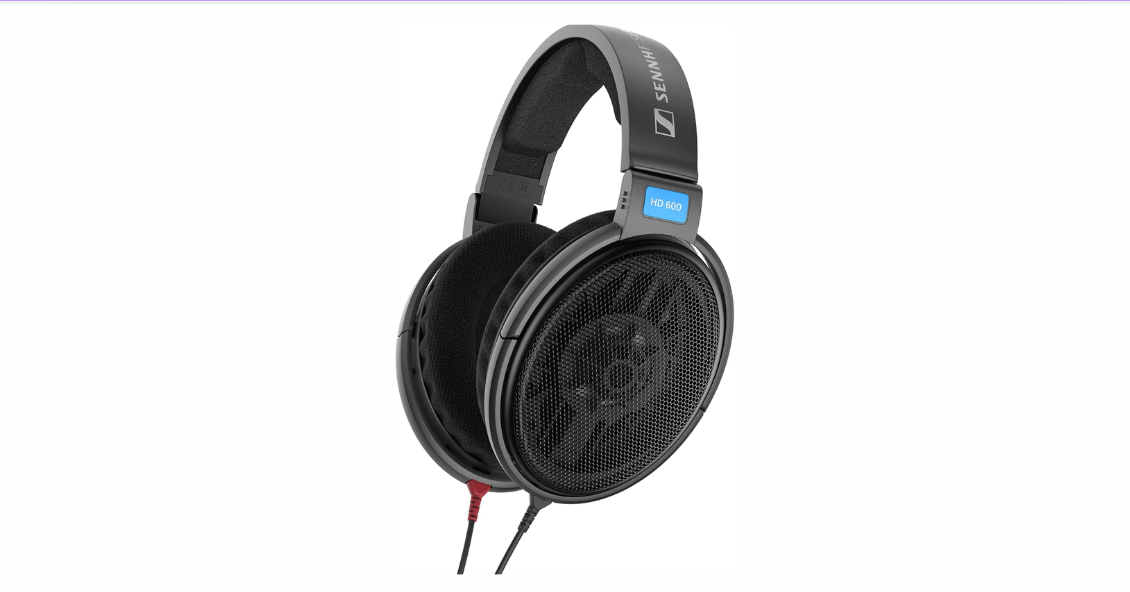
- It weighs around 260 g, which helps reduce fatigue during long critical listening sessions
- Open-back frequency tuning supports a natural and balanced presentation across mids and highs
- Impedance of 300 ohms pairs well with dedicated amplifiers for controlled dynamics
- Even clamping force supports stability without excessive side pressure
- High impedance (300 ohms) limits performance with low-power portable sources
- The open-back design provides no isolation, reducing suitability for shared spaces
The Sennheiser HD 600 S Open-Back Headphones are designed for accurate and balanced sound reproduction during extended listening. With a weight of around 260 g, the lightweight frame helps reduce physical fatigue during long sessions. The open-back structure supports airflow and a natural presentation.
Tonal balance is a defining characteristic of this model. The frequency tuning emphasizes midrange clarity and controlled treble, allowing vocals and instruments to sound natural rather than exaggerated. This profile supports long listening sessions without drawing attention to specific frequency regions.
Impedance is rated at 300 ohms, which places greater importance on proper amplification. When paired with suitable sources, this helps maintain dynamic control and clarity across the frequency range, especially at moderate listening levels.
We evaluated long-session listening and found that low weight, open airflow, and neutral tuning support fatigue-free use. This combination aligns well with audiophile listening habits focused on accuracy and consistency.
View on Amazon: Sennheiser HD 600 S Open-Back Headphones
2. Audeze LCD-X Planar Magnetic Headphones
Best Planar Magnetic
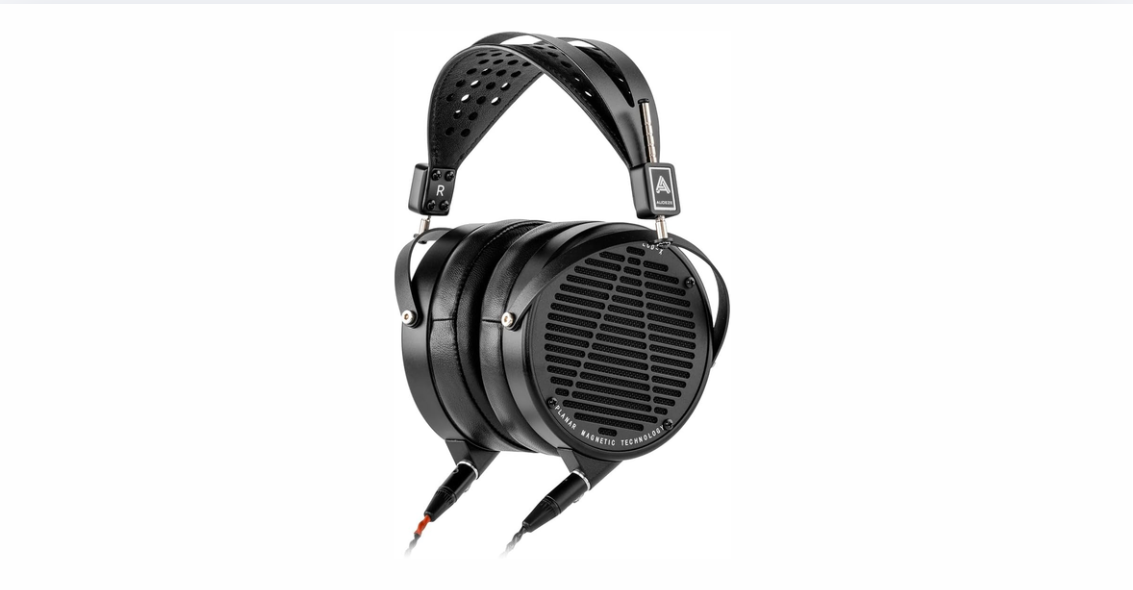
- Planar magnetic drivers deliver fast transient response and low distortion
- A weight of around 612 g is supported by wide padding and even pressure distribution
- Low impedance of 20 ohms allows flexible amplifier pairing
- An extended low-frequency response supports controlled bass without exaggeration
- Heavier weight (600 g+) may cause fatigue during very long sessions
- Size and mass reduce comfort for mobile or casual listening
The Audeze LCD-X Planar Magnetic Headphones prioritize resolution and control through planar driver technology. Weighing approximately 612 g, comfort depends on padding quality and even pressure distribution rather than minimal mass. The robust design is intended for stationary listening environments.
Planar magnetic drivers support fast transient response and low distortion. This allows complex passages to remain clear and controlled, even during longer sessions. Bass response remains deep but measured, avoiding excessive emphasis.
Impedance is rated at 20 ohms, making the headphones relatively easy to drive compared to many planar models. This supports compatibility with a wider range of amplifiers while maintaining consistent performance.
We evaluated extended listening comfort and found that sound stability and controlled tuning help offset the heavier weight. The presentation remains detailed without becoming overwhelming over time.
View on Amazon: Audeze LCD-X Planar Magnetic Headphones
3. Focal Clear Mg Open-Back Headphones
Best for Natural Tonal Balance
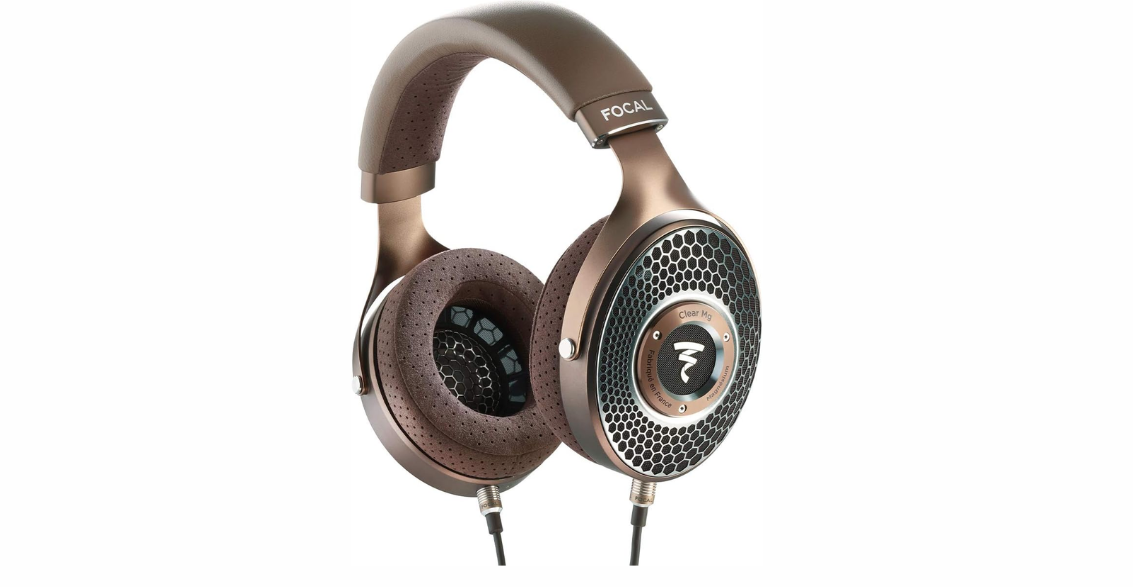
- Magnesium drivers support refined frequency balance and detail retrieval
- A weight of around 450 g is balanced to reduce pressure concentration
- Impedance of 55 ohms allows compatibility with a wide range of sources
- Smooth upper-frequency tuning helps reduce listening fatigue
- Heavier than sub-350 g models, which may affect long-session comfort
- Open-back design limits use in noisy environments
The Focal Clear Mg Open-Back Headphones focus on tonal realism and detail retrieval for critical listening. With a weight of around 450 g, the design balances overall mass with structured padding and a controlled clamping force. This approach helps maintain stability on the head while reducing pressure buildup during longer listening sessions.
Magnesium drivers play a key role in sound presentation by improving speed and control across the frequency range. Bass remains tight and well-defined, mids are clear and expressive, and treble is presented with restraint rather than sharp emphasis. This smooth frequency balance helps preserve natural instrument timbre and spatial cues.
Impedance is rated at 55 ohms, allowing the headphones to perform well with a wide range of audio sources. This makes them suitable for both dedicated desktop setups and higher-quality portable devices without requiring excessive amplification. Consistent power delivery helps maintain clarity and dynamic control.
We evaluated tonal balance and found that smooth frequency transitions, controlled treble energy, and a stable fit support fatigue-free listening. The sound remains engaging and resolving without leaning toward an analytical or aggressive presentation, making the headphones well-suited for extended audiophile sessions.
View on Amazon: Focal Clear Mg Open-Back Headphones
4. Beyerdynamic DT 1990 Pro Open-Back Headphones
Best Studio Reference
- The weight of 370 g remains manageable due to strong padding and balance
- Open-back design supports precise imaging and spatial accuracy
- Impedance of 250 ohms benefits from dedicated amplification
- Wide frequency response supports analytical listening and detail evaluation
- Elevated treble energy may feel fatiguing for some listeners over long sessions
- High impedance (250 ohms) reduces performance with portable devices
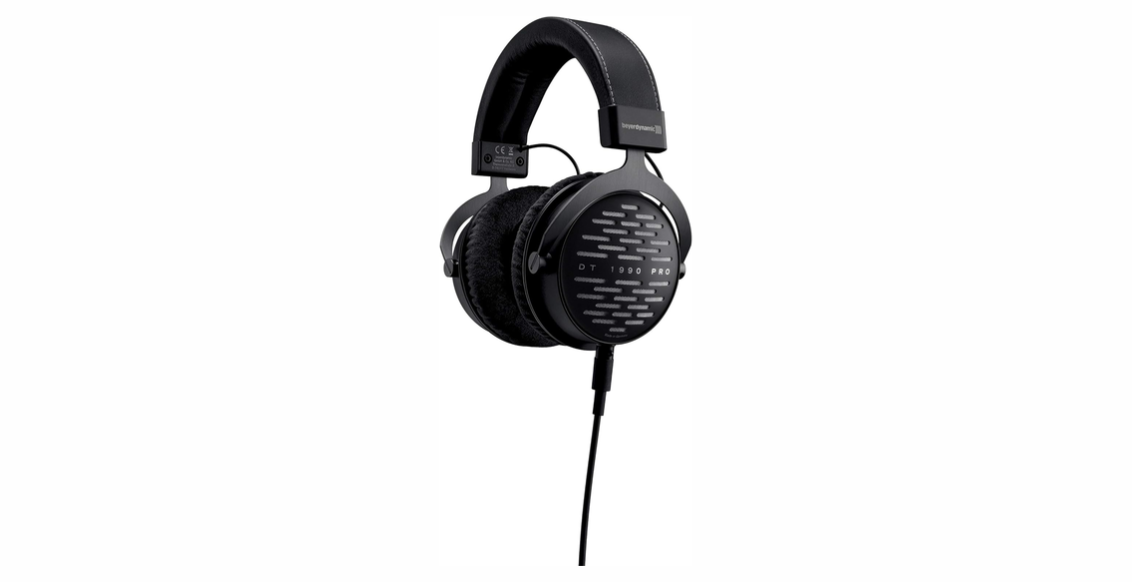
The Beyerdynamic DT 1990 Pro Open-Back Headphones are designed for precision and consistency in critical listening environments. With a weight of nearly 370 g, comfort is supported through balanced pressure distribution and breathable materials rather than minimal mass. The open-back design promotes airflow around the ears, which helps reduce heat buildup during extended sessions.
Sound presentation emphasizes clarity and separation, making the headphones well-suited for analytical and reference-focused listening. The frequency response brings forward fine detail, particularly in the upper ranges, allowing subtle elements in recordings to be more easily identified. This level of resolution supports detailed evaluation without masking small imperfections.
Impedance is rated at 250 ohms, which makes proper amplification an important factor in overall performance. When paired with adequate power, the headphones maintain dynamic control and clarity, especially during complex or densely layered passages. This pairing helps prevent strain and preserves tonal consistency.
We evaluated long-session usability and found that accurate imaging, controlled treble energy, and effective airflow support extended listening without discomfort. The tuning favors precision and transparency over warmth, aligning closely with studio reference and critical monitoring use cases.
View on Amazon: Beyerdynamic DT 1990 Pro Open-Back Headphones
5. HiFiMAN Arya Stealth Magnet Version Headphones
Best Lightweight Audiophile
- Weight around 404 g is relatively light for a planar magnetic design
- Stealth magnet technology improves airflow and reduces distortion
- Impedance of 32 ohms allows easier driving than many planar models
- Wide soundstage supports natural spatial presentation
- Larger ear cups can feel bulky during extended wear
- The open-back design provides no passive isolation
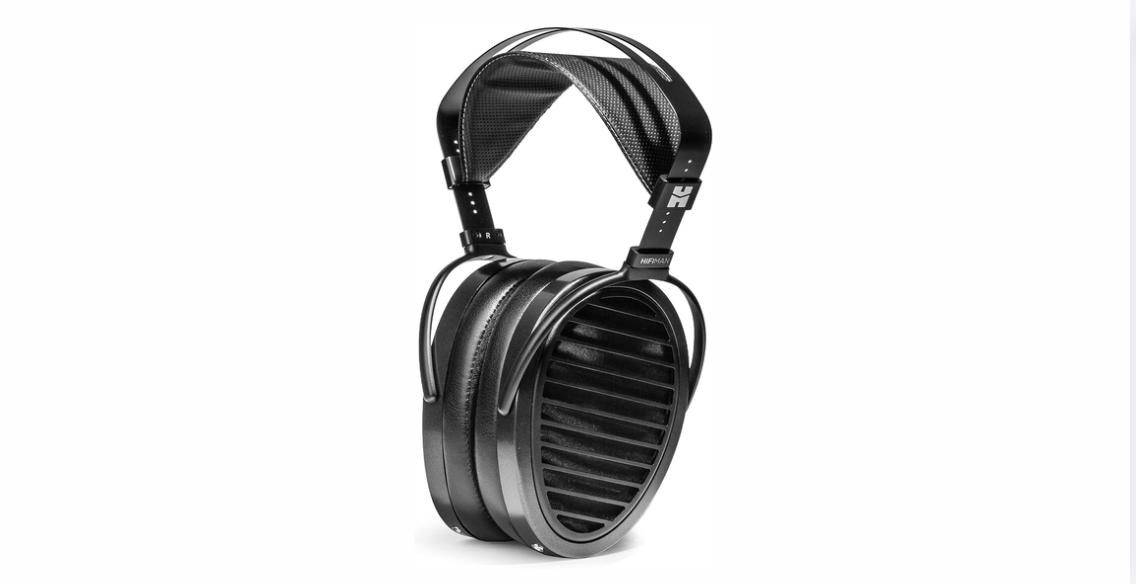
The HiFiMAN Arya Stealth Magnet Version Headphones combine planar magnetic performance with a focus on long-session comfort. At approximately 404 g, the design relies on even pressure distribution rather than minimal mass, helping reduce localized strain during extended listening. Large ear cups provide ample space around the ears, supporting a relaxed fit and a spacious presentation.
Stealth magnet technology plays a key role in sound reproduction by improving airflow around the diaphragm. This design helps reduce distortion and supports faster transient response, which enhances clarity across the frequency range. The result is a wide soundstage with precise spatial cues, particularly noticeable in high-resolution and well-recorded material.
Impedance is rated at 32 ohms, allowing the headphones to be driven more easily than many planar magnetic models. This broader source compatibility makes them suitable for a range of desktop and higher-quality portable setups while maintaining consistent performance.
We evaluated extended listening and found that the open presentation, smooth tonal balance, and controlled treble support long sessions without fatigue. The sound remains detailed and expansive while avoiding excessive sharpness that could become distracting over time.
View on Amazon: HiFiMAN Arya Stealth Magnet Version Headphones
6. Focal Stellia Closed-Back Circum-Aural Headphones
Best Closed-Back Audiophile
- Closed-back design provides isolation while maintaining high resolution
- Weight around 435 g is supported by premium padding and balance
- Impedance of 35 ohms supports use with portable and desktop sources
- Controlled bass response prevents fatigue during long sessions
- Heavier than many open-back alternatives
- A closed enclosure may feel warmer during extended listening
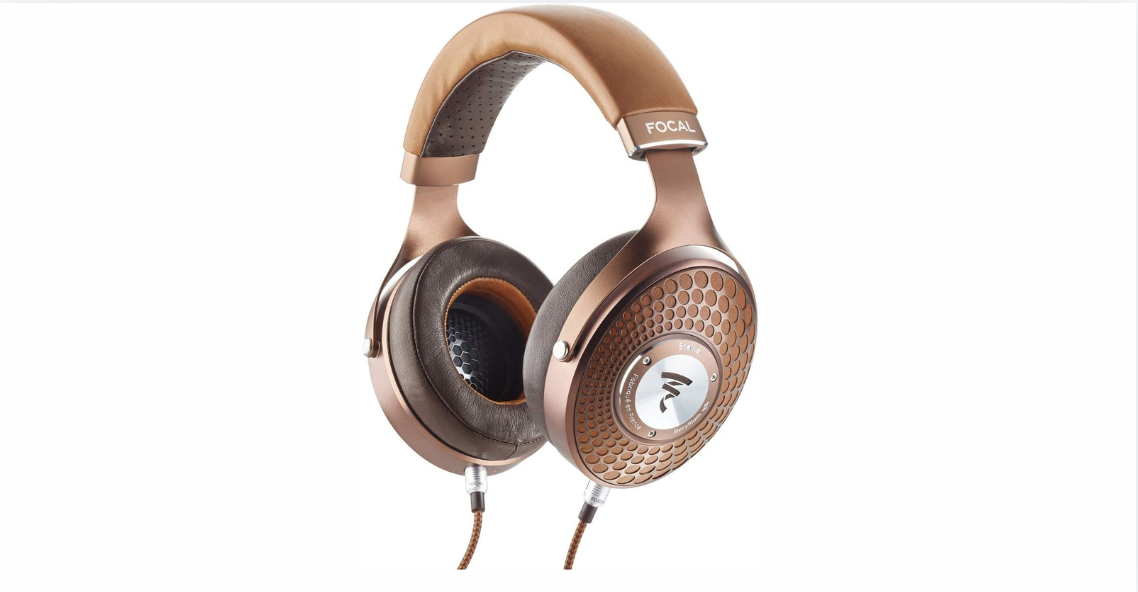
The Focal Stellia Closed-Back Circum-Aural Headphones offer isolation alongside high-resolution sound for controlled listening environments. Weighing around 435 g, the design prioritizes premium padding and balanced clamping force rather than minimal weight. This approach helps maintain comfort over extended sessions while providing effective sound containment.
Sound tuning emphasizes clarity and control across the frequency range. Bass remains well-defined without overwhelming the midrange, while treble is presented with restraint to avoid sharpness. This balanced tuning supports longer listening sessions compared to more aggressively voiced closed-back designs.
Impedance is rated at 35 ohms, allowing the headphones to pair efficiently with both portable and desktop audio sources. This flexibility supports consistent performance across different setups without requiring specialized amplification. Stable power delivery helps preserve detail and dynamic balance.
We evaluated closed-back comfort and found that controlled pressure, refined tuning, and effective padding help reduce fatigue during extended use. Despite the enclosed design, the headphones remain comfortable and stable, making them suitable for long private listening sessions.
View on Amazon: Focal Stellia Closed-Back Circum-Aural Headphones
7. Audio-Technica ATH-R70x Professional Open-Back Reference Headphones
Best for Tube Amplifiers
- Very lightweight, around 210 g, supporting long listening sessions
- High impedance of 470 ohms pairs well with tube amplifiers
- Open-back design supports natural decay and airflow
- Neutral frequency balance supports critical listening
- High impedance (470 ohms) limits usability with low-power sources
- Open-back design offers no isolation for shared environments
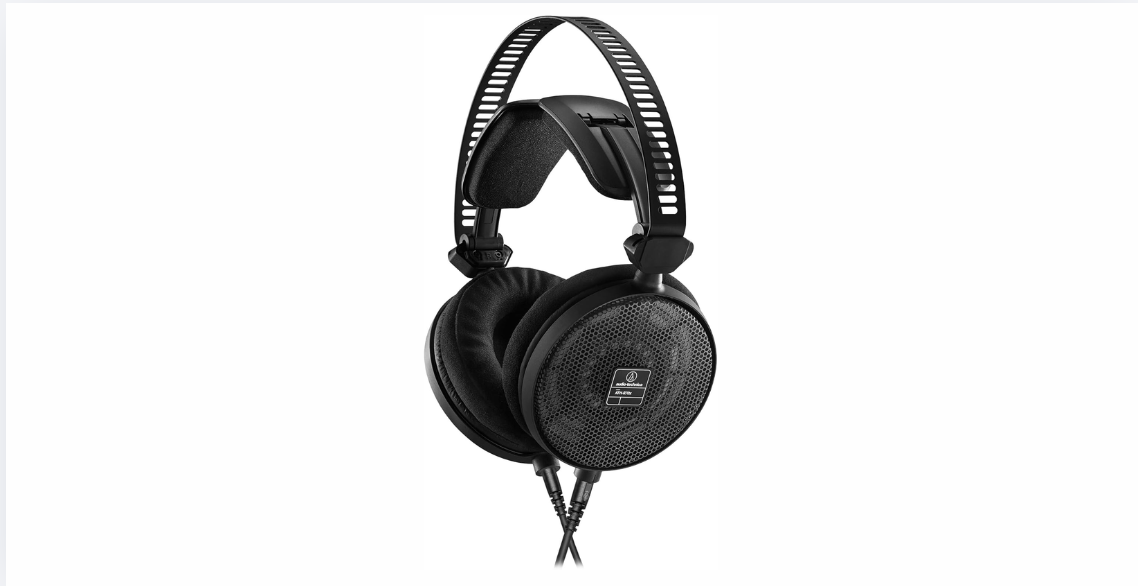
The Audio-Technica ATH-R70x Professional Open-Back Reference Headphones are designed with accuracy and long-session comfort as primary goals. With a weight of approximately 210 g, they are among the lightest headphones in the audiophile category, which helps reduce physical fatigue during extended listening. The open-back design further supports airflow, minimizing pressure buildup over time.
Sound tuning emphasizes neutrality, with a particular focus on midrange clarity. Vocals and acoustic instruments are presented with natural balance, avoiding exaggerated bass or treble emphasis. This tonal approach aligns well with reference listening, where accuracy and consistency are prioritized over impact.
Impedance is rated at 470 ohms, making proper amplification an important consideration. This high-impedance design pairs especially well with tube amplifiers, which are typically better suited to driving such loads. When matched correctly, this supports stable dynamics and controlled frequency behavior.
We evaluated long-session wearability and found that low overall weight, open airflow, and balanced tuning work together to support fatigue-free listening. These characteristics make the headphones particularly well-suited for extended indoor use, such as critical listening, mixing, or focused music sessions.
View on Amazon: Audio-Technica ATH-R70x Professional Open-Back Reference Headphones
8. Meze Audio Elite Planar Magnetic Headphones
Best Premium Choice
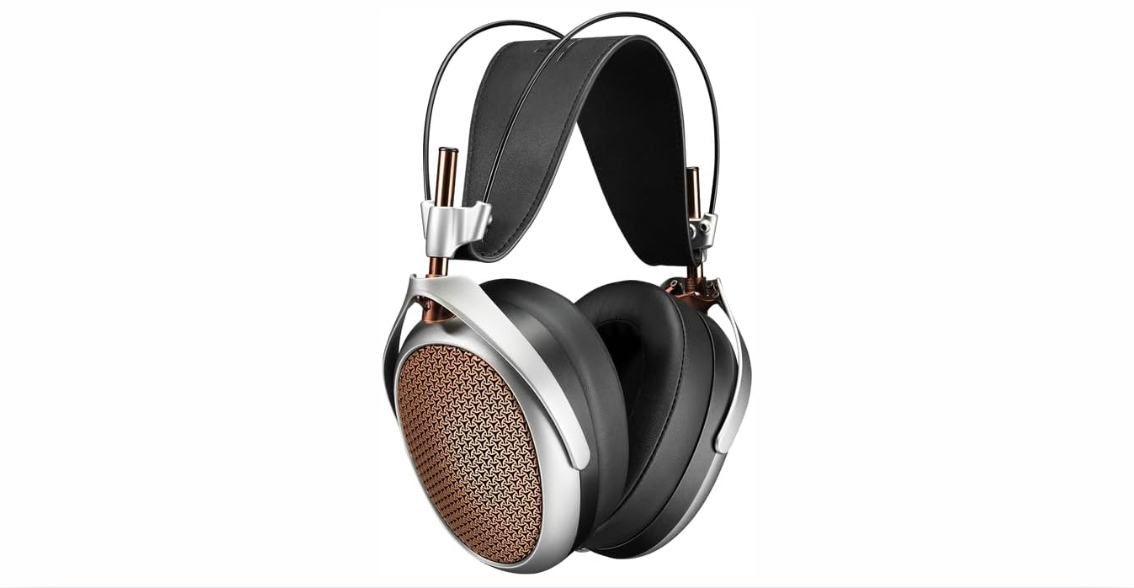
- Weight around 420 g is evenly distributed for extended comfort
- Planar magnetic drivers deliver low distortion and refined detail
- Impedance of 32 ohms allows broad amplifier compatibility
- Smooth frequency tuning supports fatigue-free long sessions
- A premium build results in a higher overall mass
- Open-back design restricts use in noisy environments
The Meze Audio Elite Planar Magnetic Headphones combine premium materials with refined planar magnetic performance for extended audiophile listening. Weighing around 420 g, the design emphasizes even weight distribution and generous padding rather than minimal mass. This approach helps reduce localized pressure and supports comfort during long listening sessions.
Planar magnetic drivers play a central role in the sound presentation by delivering controlled bass and highly detailed mids without harshness. Bass remains well-defined and measured, while midrange detail supports natural vocal and instrument reproduction. Treble is tuned with restraint, helping preserve clarity without introducing fatigue.
Impedance is rated at 32 ohms, allowing the headphones to pair effectively with a wide range of amplifiers and audio sources. This flexibility makes them suitable for both dedicated desktop systems and high-quality portable setups, while maintaining consistent tonal balance and dynamic control.
We evaluated extended listening comfort and found that smooth frequency balance, ergonomic design, and stable weight distribution support prolonged use. The headphones remain engaging and resolving over time without becoming fatiguing, making them well-suited for long, focused audiophile listening sessions.
View on Amazon: Meze Audio Elite Planar Magnetic Headphones
Frequently Asked Questions About Best Audiophile Headphones
1. What defines an audiophile headphone?
Audiophile headphones are designed to prioritize tonal accuracy, detail retrieval, and low distortion. They aim to reproduce recordings faithfully rather than emphasizing bass or treble. This approach supports critical listening and extended sessions without fatigue.
2. Why is tonal balance important for audiophile listening?
Tonal balance ensures that bass, midrange, and treble are presented proportionally. When one frequency range dominates, it can become distracting over time. Balanced tuning allows music to sound natural and consistent during long listening sessions.
3. Are open-back headphones better for audiophile use?
Open-back headphones are often preferred because they provide a wider soundstage and improved airflow. This supports natural imaging and reduced pressure buildup. However, they offer little isolation and are best used in quiet environments.
4. Do audiophile headphones require a dedicated amplifier?
Some audiophile headphones, especially high-impedance models, benefit from dedicated amplification. Proper power delivery helps maintain dynamic control and clarity. Lower-impedance models can work with a wider range of sources but still benefit from quality amplification.
5. What role does driver technology play in sound quality?
Driver technology determines how efficiently sound is converted from an electrical signal into audible output. High-quality drivers improve resolution, transient response, and distortion control. This helps preserve detail and clarity in complex recordings.
6. Are planar magnetic headphones suitable for long sessions?
Planar magnetic headphones are known for low distortion and controlled sound reproduction. When paired with good ergonomics, they can support extended listening. Weight and pressure distribution remain important factors for long-session comfort.
7. How does impedance affect headphone performance?
Impedance influences how much power headphones require from an audio source. High-impedance models typically need stronger amplification to perform optimally. Proper matching helps ensure consistent volume, clarity, and tonal balance.
8. How long can audiophile headphones be worn comfortably?
Comfort depends on weight distribution, clamping force, padding, and airflow. Well-designed audiophile headphones can be worn for several hours without discomfort. Physical comfort often determines session length more than sound fatigue.
Final Words
Audiophile headphones in 2026 continue to reflect a clear focus on accuracy, balance, and long-session usability rather than exaggerated sound signatures. Models such as the Sennheiser HD 600 S Open-Back Headphones and Focal Clear Mg Open-Back Headphones highlight how neutral tuning and controlled dynamics support critical listening without fatigue. These designs prioritize tonal balance and natural presentation over short-term impact.
Planar magnetic options, including the Audeze LCD-X Planar Magnetic Headphones, HiFiMAN Arya Stealth Magnet Version Headphones, and Meze Audio Elite Planar Magnetic Headphones, emphasize resolution and low distortion while maintaining smooth, extended-session comfort. Their designs focus on airflow, diaphragm control, and stable tuning to preserve detail across longer listening periods.
For listeners seeking precision and reference-oriented sound, the Beyerdynamic DT 1990 Pro Open-Back Headphones and Audio-Technica ATH-R70x Professional Open-Back Reference Headphones demonstrate how accurate imaging, controlled treble, and proper amplification pairing support focused evaluation. Meanwhile, the Focal Stellia Closed-Back Circum-Aural Headphones show that isolation and high-resolution performance can coexist when tuning and ergonomics are carefully balanced.