Open-back headphones are designed for listeners who value realism and space over isolation. Their open design allows sound to breathe, creating a more natural and speaker-like presentation. This makes them a preferred choice for critical listening, music production, and immersive home use.
Unlike closed-back models, open-back headphones do not trap sound inside the ear cups. This reduces pressure and coloration, helping music sound cleaner and more accurate. The result is a wider soundstage and better instrument separation.
Choosing the right open-back headphones can be challenging because sound signatures vary widely. Buyers often struggle to balance comfort, soundstage, power requirements, and long-term usability. Many models also require proper amplification, which adds another layer of decision making.
This blog covers the best open-back headphones available in 2025. It explains what to consider before buying and compares top models across different budgets and use cases. Each recommendation focuses on sound quality, comfort, and real-world performance to help you make an informed choice.
Things to Consider When Buying Open-Back Headphones
1. Sound Signature and Tuning
Open-back headphones are designed for listeners who value realism and space over isolation. Their open design allows sound to breathe, creating a more natural and speaker-like presentation. This makes them a preferred choice for critical listening, music production, and immersive home use.
Unlike closed-back models, open-back headphones do not trap sound inside the ear cups. This reduces pressure and coloration, helping music sound cleaner and more accurate. The result is a wider soundstage and better instrument separation.
Choosing the right open-back headphones can be challenging because sound signatures vary widely. Buyers often struggle to balance comfort, soundstage, power requirements, and long-term usability. Many models also require proper amplification, which adds another layer of decision-making.
Comfort plays a major role since open-back headphones are often used for long listening sessions. Weight, clamping force, and ear pad materials can significantly affect the experience. A well-designed pair should feel effortless even after hours of use.
This article covers the best open-back headphones available in 2025. It explains what to consider before buying and compares top models across different budgets and use cases. Each recommendation focuses on sound quality, comfort, and real-world performance to help you make an informed choice.
2. Soundstage and Imaging
Soundstage describes how wide and open the audio feels when listening. Open-back headphones are known for creating a sense of space that feels closer to listening to speakers. This openness helps music sound less confined and more natural.
A wide soundstage allows instruments to feel spread out rather than stacked together. This improves realism, especially in live recordings and orchestral music. It also helps reduce listening fatigue over long sessions.
Imaging refers to how accurately sounds are positioned within that soundstage. Good imaging lets you pinpoint where vocals or instruments are placed. This is important for both immersive listening and professional audio work.
For gaming and studio use, precise imaging is often more important than sheer width. Clear positioning helps identify directional cues and subtle audio details. A balanced combination of soundstage and imaging usually delivers the best experience.
Not all open-back headphones emphasize soundstage equally. Some focus more on accuracy and layering instead of size. Understanding this balance helps match the headphone to your intended use.
3. Comfort and Fit for Long Listening Sessions
Comfort is one of the most important factors when choosing open-back headphones. These models are often used for hours at a time, making poor ergonomics quickly noticeable. Even excellent sound quality cannot compensate for discomfort.
Weight plays a major role in long-term comfort. Heavier headphones can cause pressure on the head and neck over time. Lightweight designs are generally easier to wear for extended sessions.
Clamping force affects how securely the headphones sit on your head. Too much pressure can lead to discomfort, while too little may affect stability. A balanced clamp helps maintain comfort without sacrificing fit.
Ear pad material and shape also influence comfort. Breathable fabrics reduce heat buildup and sweating. Deeper ear cups prevent the ears from touching the drivers, which improves comfort.
Headband design helps distribute weight evenly. Padded or suspension-style headbands reduce pressure points. This becomes especially important during long listening or work sessions.
4. Power Requirements and Amplification
Many open-back headphones require more power than typical consumer headphones. Higher impedance models often sound quiet or lack impact when driven directly from basic devices. Proper amplification helps them perform as intended.
Using a dedicated headphone amplifier improves volume headroom and control. It can enhance bass response, clarity, and overall dynamics. Even a simple desktop amp can make a noticeable difference.
Planar magnetic open-back headphones also benefit from sufficient power. While some are easier to drive, they still scale well with better sources. Clean amplification helps reveal finer details.
Sensitivity ratings provide insight into how demanding a headphone may be. Lower sensitivity usually means more power is required. Checking both impedance and sensitivity avoids pairing issues.
For casual listeners, some modern open-back headphones work well with portable DACs. These offer better sound than standard outputs without complexity. Matching power needs to your setup ensures consistent performance.
5. Build Quality and Long-Term Durability
Build quality determines how well open-back headphones hold up over time. Most models are designed for indoor use, but materials still matter for daily handling. Strong construction reduces wear from regular adjustments and storage.
Metal frames and reinforced components generally offer better durability. Plastic builds can be lighter but may feel less sturdy over years of use. A balance between weight and strength is often ideal.
Replaceable parts add long-term value. Ear pads and headbands wear out first and should be easy to swap. Availability of spare parts extends the usable life of the headphones.
Cable design is another important factor. Detachable cables are easier to replace and upgrade. Fixed cables limit flexibility and can shorten lifespan if damaged.
Finish quality also affects durability. Well-finished joints and smooth adjustments reduce stress points. This helps maintain consistent fit and performance over time.
6. Listening Environment and Practical Use
Open-back headphones are designed to interact openly with the surrounding space. Sound flows freely through the ear cups, which affects both what you hear and what others hear. This makes the listening environment an important factor in overall satisfaction.
These headphones perform best in quiet and controlled settings. Background noise can easily enter and disrupt the listening experience. A calm indoor space allows their soundstage and detail to shine.
Sound leakage is another practical concern. People nearby will clearly hear your music or audio. This limits their use in shared rooms or public places.
Open-back designs often feel cooler during long sessions. Airflow around the ears reduces heat and pressure buildup. This can make extended listening more comfortable than sealed designs.
Thinking about where you plan to use the headphones helps set realistic expectations. Open-back models reward private and quiet use. Matching the environment to the design ensures consistent performance.
7. Portability and Everyday Practicality
Open-back headphones are generally designed for stationary use rather than mobility. Their size and open construction make them less convenient to carry around. Most users treat them as desk or home listening equipment.
Portability is limited by sound leakage and lack of isolation. Using them outdoors or while commuting is impractical. They work best when left in a dedicated listening space.
Cable length and flexibility also affect everyday practicality. Many open-back models include long cables meant for studio or desk setups. This can feel cumbersome if your setup is compact.
Detachable cables improve daily usability. They make storage easier and reduce the risk of damage. Some headphones also support third-party cable options for customization.
If you plan to move your headphones frequently, consider storage and handling. A sturdy stand or case helps protect them. Treating them as home equipment aligns best with their design.
Roundup of the Best Open-Back Headphones
| Best for Balanced Reference Sound | Sennheiser HD 650 |
| Best for Neutral Everyday Listening | Sennheiser HD 560S |
| Best for Wide Soundstage on a Budget | Beyerdynamic DT 990 Pro |
| Best for Professional Studio Monitoring | Audio-Technica ATH-R70x |
| Best for Planar Clarity and Value | HiFiMAN Sundara |
| Best for Energetic and Lively Sound | Grado SR80x |
| Best for Detailed Planar Performance | Fosi Audio i5 |
| Best for Lightweight Long Sessions | Audio-Technica AD500X |
Top 8 Open-Back Headphones in 2025
1. Sennheiser HD 650
Best for Balanced Reference Sound
- Natural and balanced sound signature
- Smooth midrange reproduction
- Comfortable for long listening sessions
- Requires proper amplification
- Not ideal for noisy environments
The Sennheiser HD 650 is widely regarded as a benchmark for balanced open-back sound. Its tuning focuses on natural tonality rather than exaggerated bass or treble. This makes it a reliable choice for listeners who want accuracy without harshness.
Midrange performance is the strongest aspect of the Sennheiser HD 650. Vocals sound realistic and instruments carry proper weight and texture. This quality makes it especially suitable for acoustic, jazz, and vocal-heavy music.
Bass response is controlled and refined rather than powerful. It does not aim to impress with impact but instead delivers consistent and accurate low frequencies. This approach supports long listening sessions without fatigue.
Comfort is one of the key strengths of the design. The ear cups are spacious, and the clamping force softens with use. Many users find it easy to wear the Sennheiser HD 650 for several hours at a time.
Build quality feels solid and purpose-driven. The detachable cable adds practicality for replacements and upgrades. While it is not flashy, the design prioritizes function and longevity.
The Sennheiser HD 650 benefits greatly from a dedicated amplifier. With proper power, it reveals depth and detail that basic outputs cannot provide. This scalability is part of why it remains relevant even years after its release.
View on Amazon: Sennheiser HD 650
2. Sennheiser HD 560S
Best for Neutral Everyday Listening

- Neutral and transparent tuning
- Easy to drive
- Lightweight and comfortable
- Bass lacks impact for some listeners
- Plastic build feels basic
The Sennheiser HD 560S is designed for listeners who want accuracy without complexity. Its sound signature is neutral and revealing, making it suitable for both casual listening and light analytical use. It presents music clearly without adding noticeable coloration.
Midrange clarity is a strong point of the Sennheiser HD 560S. Vocals and instruments sound clean and well-defined. This helps maintain balance across different music genres.
Bass response is tight and controlled rather than powerful. It provides enough presence for most recordings but does not emphasize low-end impact. This tuning supports long sessions without overwhelming the listener.
Treble is detailed and airy, contributing to a wide and open presentation. It avoids sharp peaks that cause fatigue. This makes the headphone easy to listen to for extended periods.
Comfort is excellent due to the lightweight design. The ear cups are spacious and breathable. Clamp pressure is moderate and suitable for daily use.
The Sennheiser HD 560S is easier to drive than many open-back models. It works well with laptops, audio interfaces, and portable DACs. This flexibility makes it a practical everyday open-back option.
View on Amazon: Sennheiser HD 560S
3. Beyerdynamic DT 990 Pro
Best for Wide Soundstage on a Budget
- Very wide and airy soundstage
- Strong value for the price
- Durable studio-focused build
- Bright treble can be fatiguing
- Fixed, non-detachable cable
The Beyerdynamic DT 990 Pro is well known for delivering an expansive and open soundstage at an accessible price point. It creates a strong sense of space that makes music feel less confined and more immersive. This quality is especially noticeable in live recordings, classical music, and ambient tracks.
The sound signature of the Beyerdynamic DT 990 Pro leans toward a V-shaped profile. Bass is punchy and energetic for an open-back design, while treble is emphasized to highlight details. This tuning adds excitement but may not suit listeners who are sensitive to high frequencies.
Midrange performance is slightly recessed compared to bass and treble. Vocals sit a bit farther back in the mix, which can affect vocal-centric music. However, this presentation works well for genres like rock, electronic, and cinematic soundtracks.
Imaging is precise, which makes the Beyerdynamic DT 990 Pro popular for gaming and casual studio use. Directional cues are easy to identify, and layering remains clear even in busy tracks. This combination of wide stage and clear imaging enhances immersion.
Comfort is a strong point for long listening sessions. The velour ear pads are soft, breathable, and reduce heat buildup. Clamp force is moderate and well-distributed across the head.
Build quality reflects its studio heritage. The frame feels sturdy and built for regular use. The fixed cable is the main drawback, as it limits replacement options if damaged.
The Beyerdynamic DT 990 Pro benefits from proper amplification, especially the higher impedance versions. With sufficient power, it sounds more controlled and refined. For listeners seeking a wide soundstage without high cost, it remains a compelling option.
View on Amazon: Beyerdynamic DT 990 Pro
4. Audio-Technica ATH-R70x
Best for Professional Studio Monitoring
- Neutral and accurate tuning
- Extremely lightweight for its class
- Excellent imaging and separation
- Bass can feel restrained
- Industrial design may not appeal to everyone
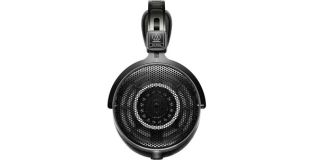
The Audio-Technica ATH-R70x is built specifically for professional monitoring and critical listening. Its sound signature is tuned for accuracy, making it suitable for mixing, mastering, and detailed evaluation. The focus is on transparency rather than entertainment.
Midrange reproduction is clean and highly articulate. Vocals and instruments are presented with clarity and correct tonal balance. This makes the ATH-R70x reliable for identifying subtle changes in recordings.
Bass response is controlled and linear rather than impactful. It provides enough low-end information for studio work but avoids any added emphasis. This helps prevent misjudgments during mixing sessions.
Treble is smooth and extended without sounding sharp. Fine details are easy to hear without causing fatigue. This balance supports long working hours in studio environments.
One of the standout features of the Audio-Technica ATH-R70x is its weight. The lightweight magnesium frame reduces strain on the head and neck. Combined with the wing-style headband, it remains comfortable during extended use.
Imaging and separation are precise and consistent. Sounds are easy to place within the soundstage, which aids both technical work and analytical listening. While the soundstage is not exaggerated, it feels realistic and well-proportioned.
Build quality is functional and professional. The detachable dual-sided cable adds practicality for studio setups. Overall, the Audio-Technica ATH-R70x prioritizes performance and comfort over visual flair.
View on Amazon: Audio-Technica ATH-R70x
5. HiFiMAN Sundara
Best for Planar Clarity and Value
- Clean and fast planar magnetic sound
- Excellent detail for the price
- Comfortable for long sessions
- Build feels less premium
- Benefits from proper amplification
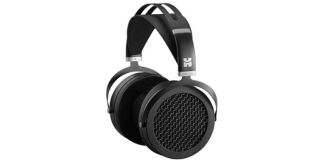
The HiFiMAN Sundara is often recommended as an entry point into planar magnetic headphones. It offers a level of clarity and speed that is difficult to find at its price. This makes it a strong value option for listeners seeking precision without moving into high-end territory.
Sound reproduction on the HiFiMAN Sundara is clean and well-balanced. Bass is tight and textured rather than heavy, delivering accurate low-end information. This approach keeps the sound controlled and avoids bloated frequencies.
Midrange performance is smooth and natural. Vocals and instruments sound well-separated and realistic. This contributes to a cohesive listening experience across different genres.
Treble is extended and detailed without sounding overly sharp. Fine nuances in recordings are easy to notice. The overall tuning feels refined and avoids excessive coloration.
Soundstage is moderately wide with good depth. While it does not exaggerate space, it presents a realistic and open image. Imaging remains stable and precise.
Comfort is well managed due to the relatively lightweight design. The ear cups provide enough space for most ears. Padding feels adequate for extended listening sessions.
Build quality is functional but not luxurious. Materials prioritize weight reduction over premium feel. Detachable cables help with usability and replacement.
The HiFiMAN Sundara performs best with a dedicated amplifier. It scales noticeably with better sources. With proper power, it delivers impressive performance for its category.
View on Amazon: HiFiMAN Sundara
6. Grado SR80x
Best for Energetic and Lively Sound

- Engaging and lively sound signature
- Excellent midrange presence
- Lightweight and simple design
- Limited sub-bass extension
- Minimal padding and basic comfort
The Grado SR80x delivers a sound that feels immediate and energetic. It is tuned to bring music forward, making instruments and vocals feel close and engaging. This presentation appeals to listeners who enjoy an intimate and lively listening experience.
Midrange performance is the highlight of the Grado SR80x. Vocals sound clear, expressive, and emotionally present. Guitars and strings carry texture and bite, which works especially well for rock, indie, and acoustic music.
Bass response is present but not deep. The focus is more on mid-bass punch than sub-bass weight. This keeps the sound fast and responsive but may feel light for bass-focused genres.
Treble is crisp and adds excitement to the overall presentation. It enhances detail and attack without excessive smoothness. Some listeners may find it bright during long sessions, depending on sensitivity.
Soundstage is more intimate than expansive. Instead of wide space, the Grado SR80x emphasizes closeness and immediacy. This creates a front-row listening feel rather than a distant presentation.
Comfort is a mixed experience. The lightweight build reduces pressure, but the foam pads offer limited cushioning. Short to moderate listening sessions feel fine, while longer use may require adjustments.
Build quality is simple and functional. The design avoids unnecessary complexity and focuses on sound. While it lacks premium materials, the construction is durable enough for regular home use.
View on Amazon: Grado SR80x
7. Fosi Audio i5
Best for Detailed Planar Performance
- High-resolution planar magnetic drivers
- Clear separation and detail retrieval
- Comfortable ear cup design
- Limited brand track record
- Requires careful amplification matching
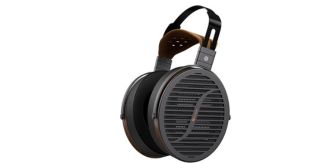
The Fosi Audio i5 is aimed at listeners who want detailed planar magnetic performance without moving into flagship pricing. Its sound presentation focuses on clarity, speed, and precision. This makes it appealing for listeners who prioritize detail and texture.
Bass on the Fosi Audio i5 is tight and well-controlled. It does not emphasize heavy impact but instead delivers clean and accurate low frequencies. This approach keeps complex tracks from sounding congested.
Midrange performance is articulate and well-separated. Vocals and instruments maintain clarity even in dense mixes. This helps reveal subtle recording details that dynamic drivers sometimes smooth over.
Treble is extended and airy, contributing to a sense of openness. Fine details such as reverb trails and micro-dynamics are easy to notice. The tuning avoids excessive sharpness, which supports longer listening sessions.
Soundstage feels open with good width and depth. While it may not be the widest among open-back planars, it presents a convincing sense of space. Imaging remains stable and consistent across different genres.
Comfort is handled well for a planar design. The ear cups provide adequate depth, reducing pressure on the ears. Padding feels supportive for medium to long sessions.
Build quality is solid but understated. Materials feel functional rather than premium. Detachable cables add flexibility for replacements or upgrades.
The Fosi Audio i5 benefits from a clean and capable amplifier. It scales with better sources and rewards careful pairing. With proper setup, it delivers impressive planar detail for its category.
View on Amazon: Fosi Audio i5
8. Audio-Technica AD500X
Best for Lightweight Long Sessions
- Extremely lightweight design
- Wide and airy soundstage
- Comfortable for extended use
- Bass lacks depth and impact
- Build feels plasticky
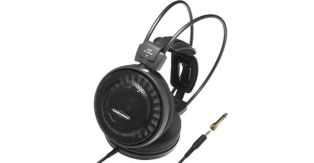
The Audio-Technica AD500X is designed with comfort and long listening sessions in mind. Its open-back construction and very light frame make it easy to wear for hours without strain. This makes it a good option for listeners who prioritize comfort over power.
Sound presentation focuses on openness and clarity. The soundstage feels wide and airy, helping music breathe naturally. This quality works especially well for ambient, classical, and acoustic recordings.
Bass response is light and restrained. It provides enough presence to support the overall sound but does not deliver strong impact. Listeners who prefer deep or punchy bass may find it lacking.
Midrange performance is clean and forward. Vocals sound clear and well-positioned within the mix. Instrument separation remains consistent even during longer listening sessions.
Treble is smooth and non-fatiguing. It avoids sharp peaks that can cause discomfort over time. This tuning supports relaxed, extended listening.
Comfort is where the Audio-Technica AD500X truly stands out. The wing-support headband adjusts automatically and distributes weight evenly. Combined with breathable ear pads, it minimizes pressure and heat buildup.
Build quality is lightweight and functional rather than premium. The plastic construction keeps weight low but does not feel luxurious. For home use, durability is acceptable with careful handling.
The Audio-Technica AD500X is easy to drive and works well with basic audio sources. It does not require powerful amplification. For listeners seeking comfort and openness above all else, it remains a practical choice.
View on Amazon: Audio-Technica AD500X
Frequently Asked Questions About Open-Back Headphones
Open-back headphones are better for listeners who prioritize natural sound and realism. Their open design allows sound to flow freely, which improves soundstage, clarity, and instrument separation. Closed-back headphones are more suitable for travel and shared spaces because they provide isolation, so the better option depends on your listening environment and priorities.
Yes, open-back headphones leak sound both outward and inward by design. People around you will clearly hear what you are listening to, even at moderate volumes. At the same time, external noise can enter easily, which is why they work best in quiet and private spaces.
Many open-back headphones perform better with a dedicated amplifier. Higher impedance and planar magnetic models need more power to sound full and dynamic. While some efficient headphones can work from laptops or phones, an amplifier usually improves clarity, bass control, and overall sound quality.
Open-back headphones are an excellent choice for gaming in quiet environments. Their wide soundstage and accurate imaging make it easier to identify directional sounds. This improves immersion in single-player games and provides an advantage in competitive gaming.
Bass can feel lighter because open-back designs do not trap air inside the ear cups. This reduces physical impact but improves accuracy and speed. Instead of heavy punch, open-back headphones focus on clean and natural low-frequency reproduction.
Open-back headphones are commonly used in music production and studio work. They reduce internal reflections and help reveal details in recordings. This makes them suitable for mixing, mastering, and critical evaluation of audio.
Most open-back headphones are designed with long listening sessions in mind. Breathable materials and reduced pressure help minimize fatigue. Comfort still varies by model, so weight and padding should be considered.
With proper care, open-back headphones can last many years. Indoor use reduces exposure to wear and tear. Models with replaceable ear pads and detachable cables are easier to maintain over time.
Final Thoughts
Open-back headphones are ideal for listeners who value natural sound, space, and comfort. Their open design creates a more realistic and airy presentation compared to closed-back models. They perform best in quiet environments where sound leakage is not an issue.
The right choice depends on how you plan to use them. Models like the Sennheiser HD 650 and Audio-Technica ATH-R70x are well suited for critical listening and studio work due to their balanced and accurate tuning. For everyday listening with minimal setup, the Sennheiser HD 560S offers a neutral and practical option.
Listeners who enjoy a wide and immersive presentation may prefer the Beyerdynamic DT 990 Pro, especially for gaming and casual listening. Planar magnetic options such as the HiFiMAN Sundara and Fosi Audio i5 deliver clean detail and fast response for those who value clarity.
If comfort or musical engagement is a priority, the Grado SR80x and Audio-Technica AD500X offer distinct advantages. Each headphone serves a different purpose, and understanding your listening habits makes the choice easier. With the right match, open-back headphones can provide a rewarding long-term listening experience.