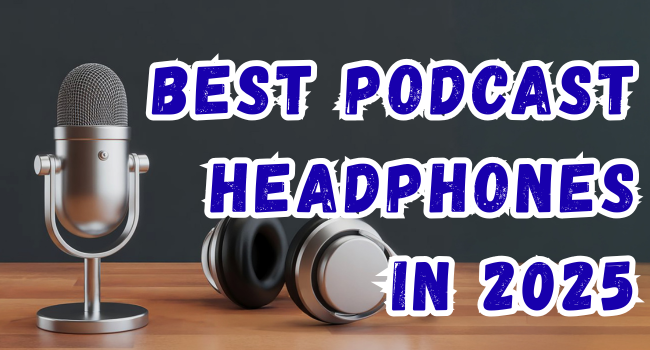
Podcasting depends heavily on clarity, and that clarity starts with what you hear while recording. Podcast headphones are not meant to enhance sound but to reveal it, including subtle issues like mouth noise, background hum, or uneven vocal levels. The more accurately you can monitor your voice, the better your final recording will be.
Unlike music-focused headphones, podcast headphones prioritize midrange detail where speech lives. This helps podcasters adjust mic technique, pacing, and tone in real time instead of discovering problems during editing. Accurate monitoring also reduces retakes and saves significant post-production time.
Comfort plays an equally important role, especially during long recording sessions or interviews. Tight clamping force, heavy designs, or poor ear padding can cause fatigue and affect performance. Well-designed podcast headphones allow you to stay focused on the conversation rather than the gear.
In this guide, we focus on headphones that deliver honest sound, reliable isolation, and all-day comfort. Each recommendation is chosen specifically for podcasting needs rather than casual listening. The goal is simple: help you record cleaner, more professional-sounding audio from the start.
Things To Consider Before Buying Podcast Headphones
1. Sound Accuracy and Vocal Clarity
Sound accuracy is the most important factor when choosing headphones for podcasting. Your headphones should present voices exactly as they are, without boosting bass or treble that can mask recording issues. Neutral sound helps you notice mouth clicks, breath noise, distortion, and mic placement problems in real time.
Podcasting is primarily about speech, so midrange clarity matters more than excitement or depth. Headphones with a balanced midrange make it easier to judge tone, volume consistency, and articulation. This allows you to make adjustments while recording instead of fixing everything during editing.
Overly colored headphones can give a false sense of quality while hiding flaws. What sounds warm and pleasant in headphones may translate poorly on speakers or earbuds. Accurate monitoring ensures your podcast sounds good across all listening devices.
Another advantage of accurate headphones is consistency across episodes. When you hear your voice the same way every time, it becomes easier to maintain a uniform sound signature for your show. This consistency helps build a professional and recognizable listening experience.
Accurate sound also supports better collaboration during interviews or co-hosted recordings. You can immediately hear level mismatches or tonal differences between voices. Catching these issues early reduces interruptions and keeps conversations flowing naturally.
2. Closed-Back vs Open-Back Design
The design of your headphones has a direct impact on how well you can monitor your audio while recording. Closed-back headphones are the most common choice for podcasting because they isolate sound and prevent audio from leaking into the microphone. This is especially important when recording vocals in the same room as your mic.
Open-back headphones allow air and sound to pass through the ear cups, creating a wider and more natural soundstage. While they are excellent for mixing and critical listening, they are generally not ideal for live podcast recording. Sound leakage from open-back designs can easily be picked up by sensitive microphones.
Closed-back headphones also help block out environmental noise such as fans, traffic, or background activity. This makes it easier to focus on your voice and detect subtle recording issues. In untreated rooms or home setups, this isolation becomes even more valuable.
Open-back designs can still be useful during editing and post-production. They reduce ear fatigue and offer a more speaker-like listening experience when cleaning up dialogue. Some podcasters use closed-back headphones for recording and open-back models for editing.
For most podcasters, especially beginners and home creators, closed-back headphones remain the safest and most practical choice. They offer control, isolation, and reliability during live recordings, which are critical for capturing clean audio.
3. Comfort for Long Recording Sessions
Comfort is often underestimated, but it directly affects performance during podcast recording. Podcast sessions can last anywhere from thirty minutes to several hours, and uncomfortable headphones can become distracting very quickly. Pressure points, heat buildup, or excessive clamping force can reduce focus and affect vocal delivery.
Lightweight construction plays a key role in long-session comfort. Heavier headphones may feel fine initially but can cause neck or head fatigue over time. Well-balanced designs distribute weight evenly and feel less intrusive during extended use.
Ear pad material also makes a noticeable difference. Breathable fabrics or soft velour pads reduce heat and sweating, while memory foam padding helps create a comfortable seal without excessive pressure. For closed-back headphones, good padding also improves isolation without increasing discomfort.
Adjustability is another important factor. Headbands with smooth adjustment and flexible yokes allow headphones to fit different head sizes properly. A secure but relaxed fit ensures the headphones stay in place without feeling tight or restrictive.
Comfortable headphones allow you to stay engaged in the conversation rather than thinking about your gear. When discomfort is removed, your attention stays on delivery, tone, and interaction, which leads to more natural and confident recordings.
4. Noise Isolation and Sound Leakage
Noise isolation is critical when recording podcasts, especially in home or untreated environments. Headphones with strong passive isolation help block out external sounds such as traffic, fans, or household noise. This makes it easier to focus on your voice and monitor subtle recording details.
Sound leakage is another major concern during live recording. If sound escapes from your headphones, it can bleed into the microphone and create echoes or phase issues. Closed-back headphones are preferred because they keep the monitored audio contained and prevent unwanted bleed.
Good isolation also helps maintain consistent recording levels. When outside noise is reduced, you are less likely to unconsciously raise your voice or change mic distance. This results in more stable and professional-sounding recordings.
Isolation becomes even more important during interviews or co-hosted sessions. Hearing your guest clearly without background distractions allows smoother conversations and fewer interruptions. It also helps you quickly detect issues like clipping or distortion on either voice.
While active noise cancellation is not necessary for podcasting, solid passive isolation is essential. Well-sealed ear cups and proper fit usually provide all the isolation needed for clean and controlled podcast recordings.
5. Build Quality and Durability
Podcast headphones are often used daily, folded, stored, and transported between recording sessions. Strong build quality ensures they can handle regular use without developing loose hinges, cracked headbands, or failing cables. Durable headphones are a better long-term investment, especially for creators who record frequently.
Materials play a big role in longevity. Reinforced plastic, metal yokes, and well-padded headbands tend to hold up better over time. Replaceable ear pads are also a valuable feature, as they wear out faster than other components and can be swapped without replacing the entire headphone.
Cable design is another durability factor to consider. Detachable cables are preferable because they can be replaced easily if damaged. Coiled cables offer flexibility and reduce clutter, while straight cables are lighter and easier to manage in smaller setups.
Durable headphones also maintain consistent sound over time. Poorly built models can develop channel imbalance or rattling, which compromises monitoring accuracy. Reliable construction ensures that what you hear remains trustworthy session after session.
Choosing well-built podcast headphones reduces downtime and unexpected replacement costs. When your gear works consistently, you can focus on content creation rather than troubleshooting or repairs.
6. Impedance and Device Compatibility
Impedance determines how much power headphones need to perform properly. For podcasting, especially in home setups, low to moderate impedance headphones are usually the best choice. They work well with audio interfaces, USB microphones, laptops, and portable recorders without requiring additional amplification.
High-impedance headphones are designed for professional studio gear and dedicated headphone amps. While they can deliver excellent sound, they may sound quiet or lack detail when connected directly to laptops or basic interfaces. This can make monitoring difficult during recording.
Choosing headphones that match your recording setup ensures consistent volume and clarity. If you use an entry-level interface or a USB mic with a headphone output, lower impedance models provide better headroom and easier control over levels.
Impedance also affects distortion and dynamic response. Headphones that are properly powered reproduce transients more accurately, helping you hear subtle vocal changes and recording flaws. Underpowered headphones may sound dull or compressed, which hides important details.
For most podcasters, compatibility and ease of use matter more than technical extremes. Headphones that perform reliably across different devices allow flexible recording setups without sacrificing monitoring quality.
7. Portability and Practical Features
Portability matters for podcasters who record in different locations or travel frequently. Foldable designs and compact ear cups make headphones easier to pack and protect during transport. This is especially useful for mobile setups, remote interviews, or shared studio spaces.
Practical features can significantly improve day-to-day usability. Swiveling ear cups allow single-ear monitoring, which many podcasters prefer when balancing their own voice with mic feedback. This flexibility helps maintain natural speaking volume and awareness of surroundings.
Cable length and type also affect practicality. Longer or coiled cables provide freedom of movement without pulling on your audio interface. Detachable cables are especially useful, as they simplify storage and reduce the risk of permanent damage.
Clear left and right markings, simple controls, and quick adjustments contribute to a smoother workflow. When headphones are intuitive to use, you spend less time adjusting gear and more time recording.
Well-designed practical features do not directly affect sound quality, but they improve efficiency and comfort. Over time, these small conveniences make podcast recording more consistent and enjoyable.
Roundup of the Best Podcast Headphones
| Best Overall Podcast Monitoring | Sony MDR-7506 |
| Best for Balanced Studio Sound | Audio-Technica ATH-M50x |
| Best for Neutral Voice Accuracy | Audio-Technica ATH-M40x |
| Best for Noise Isolation | Beyerdynamic DT 770 Pro (80 Ohm) |
| Best for Broadcast-Style Recording | Sennheiser HD 280 Pro |
| Best for Natural Vocal Tone | AKG K371 |
| Best for Dialogue Clarity on a Budget | Shure SRH440A |
| Best for Portable Podcast Setups | Sony MDR-7502 |
Top 8 Podcast Headphones in 2025
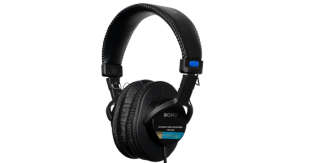
1. Sony MDR-7506
Best Overall Podcast Monitoring
- Excellent vocal clarity and midrange accuracy
- Lightweight and comfortable for long recording sessions
- High noise isolation for closed-back design
- Foldable and easy to transport
- Cable is not detachable
- Ear pads may wear out over time
- Sound can feel unforgiving for casual listening
The Sony MDR-7506 has been a broadcast and podcasting staple for decades, and its reputation is well earned. It delivers a very honest and revealing sound that makes it easy to hear vocal imperfections during recording. This accuracy helps podcasters correct issues immediately rather than discovering them later in editing.
Its strength lies in the midrange, where speech detail is most important. Mouth noise, plosives, clipping, and background hiss are clearly audible, which makes it ideal for spoken-word content. The slightly forward presentation ensures that your voice never gets lost or softened.
The closed-back design provides solid passive isolation, reducing distractions from external noise. This also prevents headphone bleed into microphones, which is crucial for clean recordings. It performs especially well in home studios or untreated rooms.
Comfort is another reason the MDR-7506 remains popular. The lightweight frame and moderate clamping force make it suitable for long sessions without causing fatigue. Even during extended interviews, the headphones stay secure without feeling restrictive.
From a durability standpoint, the MDR-7506 is built for daily professional use. The folding design makes it easy to store and transport, while replacement ear pads are widely available. Although the fixed cable is a drawback, it is thick and reliable enough for most podcast setups.
View on Amazon: Sony MDR-7506
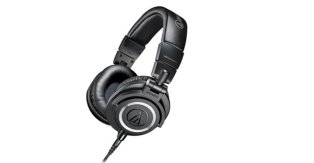
2. Audio-Technica ATH-M50x
Best for Balanced Studio Sound
- Clear and detailed sound with strong vocal presence
- Detachable cables increase flexibility and durability
- Solid build quality for regular studio use
- Comfortable for long podcast sessions
- Bass is slightly emphasized for pure voice monitoring
- Clamp can feel firm for some users initially
- Not the most breathable ear pads
The Audio-Technica ATH-M50x is a popular studio headphone that works very well for podcasting when you want clarity without sounding sterile. It offers a balanced presentation with enough detail to monitor vocals accurately while still sounding controlled and professional. This makes it suitable for both recording and light editing.
Vocal intelligibility is strong, with clear mids that help you catch pronunciation issues and volume inconsistencies. While the bass is slightly elevated compared to flatter studio headphones, it does not overpower speech. Most podcasters find this tuning helpful rather than distracting.
The closed-back design provides reliable isolation, reducing external noise and preventing sound leakage into microphones. This makes the ATH-M50x dependable for home studios and shared recording spaces. It performs consistently even in less controlled environments.
Comfort is generally good for long sessions. The headband padding and ear cups provide a secure fit, though some users may notice a firmer clamp during the first few uses. Over time, the fit tends to loosen slightly and become more comfortable.
Build quality is one of the ATH-M50x’s strongest points. The detachable cable system allows easy replacement, and the folding design improves portability. For podcasters who want durability along with reliable monitoring, it remains a strong and practical choice.
View on Amazon: Audio-Technica ATH-M50x
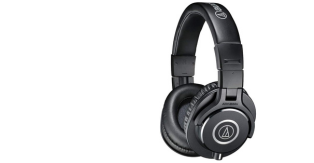
3. Audio-Technica ATH-M40x
Best for Neutral Voice Accuracy
- Very neutral midrange suited for spoken-word monitoring
- Excellent vocal clarity without artificial enhancement
- Detachable cables for easier replacement
- Lightweight and comfortable for extended use
- Less bass impact than M50x, which may feel flat to some users
- Build feels more utilitarian than premium
- Ear pads could be thicker for better isolation
The Audio-Technica ATH-M40x is often favored by podcasters who want a more honest and restrained sound compared to the M50x. Its tuning is closer to flat, which makes it particularly effective for monitoring dialogue and vocal consistency. Nothing is exaggerated, which helps you hear your voice as it truly is.
Midrange accuracy is the highlight here. Speech sounds natural, clean, and uncolored, making it easy to detect mouth noise, uneven levels, or tonal imbalance. This is especially useful for interview-based podcasts where clarity and consistency matter more than fullness or warmth.
Unlike headphones with boosted lows or highs, the M40x avoids masking subtle issues. Breath sounds, mic pops, and background noise are more noticeable, which allows for real-time correction. This makes it a strong tool during recording, not just editing.
Isolation is adequate for podcasting, though not class-leading. In most home studio environments, it performs well enough to block common distractions. The closed-back design also helps prevent sound leakage into microphones during live recording.
Comfort is solid for long sessions due to its lighter weight and manageable clamp force. While the ear pads are not the thickest, they remain comfortable for most podcasters over extended periods. The adjustable headband allows a secure fit without excessive pressure.
Build quality is practical rather than flashy. The headphones feel sturdy enough for daily use, and the detachable cable adds long-term reliability. For podcasters who value neutrality and vocal precision above all else, the ATH-M40x is an excellent choice.
View on Amazon: Audio-Technica ATH-M40x
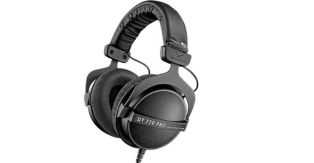
4. Beyerdynamic DT 770 Pro (80 Ohm)
Best for Noise Isolation
- Excellent passive noise isolation
- Very comfortable for long recording sessions
- Clear and detailed sound with strong vocal presence
- Durable build with replaceable ear pads
- Fixed cable limits flexibility
- Bulky design is less portable
- Requires a decent audio interface for best performance
The Beyerdynamic DT 770 Pro (80 Ohm) is widely respected in studios for its isolation and comfort, making it a strong option for podcasters who record in noisy or untreated environments. Its closed-back design blocks a significant amount of external sound, helping you stay focused on your voice and mic feed.
Vocal monitoring is clear and controlled, with enough midrange detail to catch articulation issues and background noise. While the low end is fuller than ultra-flat headphones, it remains tight and does not overwhelm speech. This balance allows you to hear your voice clearly without sounding thin or clinical.
One of its biggest strengths is comfort. The soft velour ear pads are breathable and reduce heat buildup during long sessions. Combined with moderate clamping force, the headphones feel secure without causing fatigue, even during multi-hour recordings.
Isolation plays a major role in recording consistency. By reducing outside noise, the DT 770 Pro helps prevent unconscious changes in speaking volume or mic distance. This results in more even recordings and fewer level corrections later.
The build quality is robust and designed for professional use. While the non-detachable cable is a drawback, it is thick and reliable. Replaceable ear pads and sturdy construction make these headphones a long-term investment rather than a disposable accessory.
For podcasters working from home, shared spaces, or busy environments, the DT 770 Pro (80 Ohm) offers control, comfort, and isolation that directly improve recording quality.
View on Amazon: Beyerdynamic DT 770 Pro (80 Ohm)
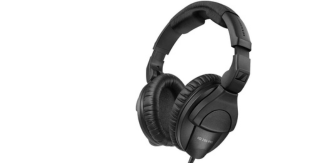
5. Sennheiser HD 280 Pro
Best for Broadcast-Style Recording
- Very strong passive noise isolation
- Accurate and controlled sound for speech monitoring
- Lightweight and foldable design
- Durable build for daily professional use
- Tight clamping force for some users
- Sound can feel flat for casual listening
- Cable is not detachable
The Sennheiser HD 280 Pro is designed with monitoring accuracy in mind rather than enjoyment. This makes it particularly effective for podcasting, where hearing flaws matters more than hearing richness. Its sound signature focuses on clarity and control, which suits spoken-word recording well.
Midrange performance is clean and direct, allowing voices to cut through clearly. This helps you notice sibilance, plosives, and inconsistent mic technique while recording. The controlled low end avoids masking these details, keeping your monitoring honest and reliable.
Noise isolation is one of the strongest features of the HD 280 Pro. The closed-back design and firm seal block a significant amount of external noise. This makes it ideal for podcasters recording in less-than-ideal environments or shared spaces.
The tight clamp contributes to isolation but may take some time to get used to. For shorter sessions, it is rarely an issue, but during longer recordings, some users may feel pressure. The relatively light weight helps offset this, keeping overall fatigue manageable.
Build quality is solid and functional. The folding design improves portability, and the headphones are known for lasting years with regular use. While the fixed cable limits flexibility, it is thick and dependable for studio-style setups.
For podcasters who want a no-nonsense monitoring tool with strong isolation and broadcast-level reliability, the Sennheiser HD 280 Pro remains a dependable choice.
View on Amazon: Sennheiser HD 280 Pro
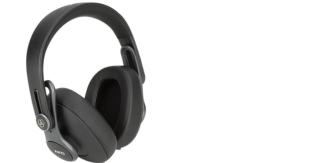
6. AKG K371
Best for Natural Vocal Tone
- Very natural and realistic vocal reproduction
- Balanced sound with clear mids and controlled bass
- Lightweight and comfortable for long sessions
- Detachable cable with multiple length options
- Build feels less rugged than some studio staples
- Isolation is good but not class-leading
- Hinges require careful handling over time
The AKG K371 is well regarded for its natural and realistic sound signature, which works exceptionally well for podcasting. Voices sound lifelike and well proportioned, making it easier to judge tone, warmth, and clarity while recording. This natural presentation helps podcasters sound consistent and authentic across episodes.
Midrange performance is the standout feature. Speech comes through clearly without sounding sharp or overly forward. This balance allows you to hear articulation issues, mouth noise, and subtle tonal shifts without feeling fatigued during long sessions.
Bass is present but controlled, adding body to the voice without masking important details. Unlike headphones with boosted lows, the K371 keeps dialogue clean and intelligible. This makes it especially useful for conversational podcasts and interview formats.
Comfort is another strong point. The lightweight design and soft ear pads reduce pressure during extended recordings. Podcasters who record long solo episodes or multi-guest discussions will appreciate how unobtrusive these headphones feel over time.
Isolation is sufficient for most home recording environments, though not as aggressive as some broadcast-focused models. In quieter rooms, this is rarely an issue. Sound leakage is minimal and generally well controlled during live recording.
The detachable cable system adds flexibility and long-term usability. While the build does not feel as tank-like as some older studio headphones, careful use is rewarded with excellent sound quality. For podcasters who prioritize natural vocal tone and comfort, the AKG K371 is a very strong choice.
View on Amazon: AKG K371
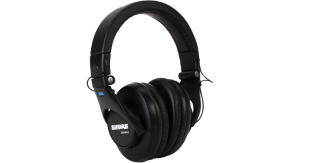
7. Shure SRH440A
Best for Dialogue Clarity on a Budget
- Clear and forward midrange ideal for spoken word
- Accurate sound suitable for podcast monitoring
- Detachable cable improves longevity
- Lightweight and easy to handle
- Clamp can feel firm during long sessions
- Ear pads are less plush than premium models
- Build feels basic compared to higher-end options
The Shure SRH440A is designed with monitoring accuracy in mind, making it a practical choice for podcasters who want clarity without overspending. Its sound signature emphasizes the midrange, which helps voices sound direct and intelligible during recording. This focus makes it easier to catch articulation issues and level inconsistencies.
Speech reproduction is clean and controlled, without exaggerated bass or sharp highs. This allows podcasters to monitor their voice honestly and make real-time adjustments. Background noise, mouth clicks, and sibilance are easy to detect, which improves recording quality from the start.
Isolation is adequate for most home and small studio environments. The closed-back design limits sound leakage and reduces distractions, helping maintain consistent vocal delivery. While not the strongest isolator in this list, it performs reliably for typical podcast setups.
Comfort is acceptable for moderate-length sessions. The headphones are lightweight, but the clamping force can feel tight over time for some users. For podcasters recording shorter episodes or taking breaks between sessions, this is usually manageable.
The detachable cable adds practical value and makes the SRH440A easier to maintain long term. Although the overall build is utilitarian, it is functional and dependable. For podcasters seeking clear dialogue monitoring at a reasonable price, the Shure SRH440A remains a sensible and effective option.
View on Amazon: Shure SRH440A
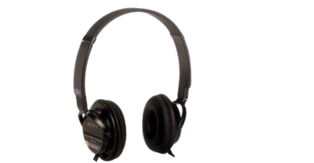
8. Sony MDR-7502
Best for Portable Podcast Setups
- Compact and lightweight design
- Clear midrange suitable for voice monitoring
- Good isolation for on-the-go recording
- Durable build for frequent travel
- Smaller ear cups may feel tight for some users
- Less detailed than full-size studio headphones
- Fixed cable limits flexibility
The Sony MDR-7502 is designed for portability and practicality, making it a good fit for podcasters who record outside a traditional studio. Its compact size and lighter frame make it easy to pack into a travel bag or mobile recording kit. This convenience is especially useful for field interviews and remote sessions.
Despite its smaller form factor, the MDR-7502 delivers clear and focused vocal reproduction. The midrange remains clean and intelligible, allowing you to monitor speech accurately. While it does not offer the same level of detail as larger studio models, it performs reliably for spoken-word content.
Isolation is respectable for its size. The closed-back design helps reduce background noise and minimizes sound leakage into microphones. This makes it suitable for recording in temporary or shared environments where control is limited.
Comfort is best suited for short to medium sessions. The smaller ear cups may not fully surround the ears for all users, which can cause pressure over time. For quick recordings, interviews, or mobile setups, this trade-off is often acceptable.
Build quality reflects Sony’s broadcast heritage. The headphones feel sturdy enough for repeated transport and daily use. Although the cable is fixed, it is thick and dependable for portable setups.
For podcasters who need a compact, travel-friendly monitoring solution, the Sony MDR-7502 offers reliability and clarity in a space-saving design.
View on Amazon: Sony MDR-7502
Frequently Asked Questions About Podcast Headphones
Regular headphones can work, but studio headphones are a better choice for podcasting. Consumer models often boost bass or treble, which can hide issues like mouth noise or distortion. Studio headphones focus on accuracy, helping you catch problems while recording and reduce editing later.
Closed-back headphones are best for recording podcasts. They prevent sound leakage into the microphone and block background noise. Open-back headphones are more suitable for editing, not live recording.
Active noise cancellation is not necessary for podcasting. It can slightly alter the sound you hear and affect accuracy. Good passive isolation from closed-back headphones is usually enough.
Low- to moderate-impedance headphones work best for podcasting. They pair easily with USB microphones, laptops, and audio interfaces. High-impedance models may sound too quiet without a dedicated amplifier.
Comfort is very important, especially for long sessions. Uncomfortable headphones can cause fatigue and affect focus and vocal delivery. Lightweight designs with soft ear pads help maintain consistency.
Yes, many podcasters use one pair for both recording and editing. Closed-back headphones work well for recording and basic editing. Some podcasters prefer open-back headphones for longer editing sessions to reduce fatigue.
Higher price does not always mean better results. Many affordable studio headphones offer excellent vocal clarity. Mic quality, room acoustics, and technique often matter more than headphone cost.
Final Thoughts
For most podcasters, the Sony MDR-7506 remains the best all-around option for its vocal clarity and broadcast reliability. The Audio-Technica ATH-M50x offers a more versatile sound, while the ATH-M40x suits those who prefer neutral voice accuracy.
If isolation and comfort matter most, the Beyerdynamic DT 770 Pro (80 Ohm) and Sennheiser HD 280 Pro are strong choices. For natural vocal tone and lighter wear, the AKG K371 stands out.
Budget-focused podcasters will appreciate the Shure SRH440A, while mobile creators will find the Sony MDR-7502 ideal for portable setups. Choosing accurate headphones ensures your podcast sounds clean, consistent, and professional.