Have you finished a video shoot only to find that the footage looks great, yet the sound is muddled, distant, or filled with ambient noise? That happens frequently when using a general microphone in a busy environment.
Good audio makes your videos feel professional and keeps viewers engaged, even if the visuals are excellent. Poor sound forces you to fix issues in post which can be time-consuming and sometimes impossible to fully correct. Investing in the right microphone up front saves editing time and improves the overall impact of your work.
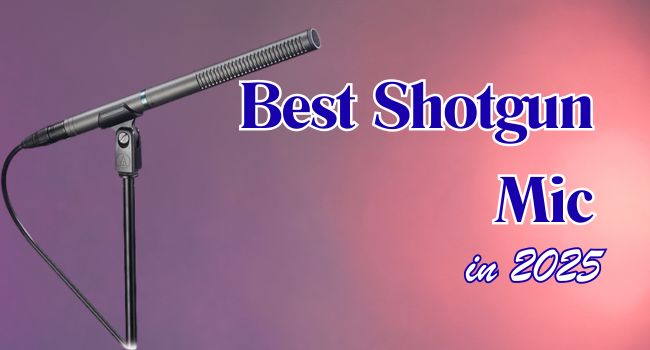
A dedicated shotgun microphone can help you isolate your subject’s voice while rejecting unwanted sound. These mics work especially well for mounting on cameras or boom poles or recording in noisy surroundings.
A well-designed shotgun microphone uses a tight pickup pattern to focus on the sound coming from directly in front of it while reducing noise from the sides. This makes it especially useful for interviews, travel vlogs, documentary-style shoots, or any situation where you cannot control the environment. Whether you are filming on a crowded street, inside a lively event space, or outdoors with unpredictable background noise, a shotgun mic helps capture clearer dialogue without requiring you to bring the microphone uncomfortably close to the subject.
In this guide we will walk you through how shotgun microphones function and what to look for, and we will highlight our top eight picks in 2025.
Things to Consider When Looking for a Shotgun Mic
Here is a list of important factors you should evaluate when shopping for a shotgun microphone. Understanding these elements will help you choose a mic that delivers clear, accurate, and professional-quality audio for your specific recording needs.
1. Frequency Response
The frequency response of a microphone describes how accurately it can capture different sound frequencies, and it is measured in hertz. This measurement shows how well the microphone records low-, mid-, and high-frequency sounds.
A microphone with a well-balanced response curve will capture audio that sounds closer to what the human ear naturally hears. This consistency is especially important when recording dialogue, since voices contain subtle tonal variations that must be reproduced clearly. Understanding frequency response helps you pick a microphone that matches the style of sound you want in your recordings.
Shotgun microphones are usually designed with a wide and relatively flat frequency response because this helps them reproduce audio with precision. Most manufacturers tune their shotgun mics to emphasize the midrange frequencies where speech naturally occurs, which improves clarity and intelligibility.
This tuning ensures that spoken words remain crisp even when the subject is slightly off axis or moving. It also helps the microphone cut through background noise, making it easier to hear the main speaker in busy environments. A balanced midrange focus is one of the reasons shotgun mics excel at capturing dialogue for video production.
When choosing a shotgun mic, look for models that offer a smooth response curve rather than one with sharp spikes or dips. This will help your recordings sound more natural and reduce the need for heavy EQ adjustments during editing.
2. Condenser vs. Dynamic Microphones
There are two main categories of microphones to be aware of: condenser microphones and dynamic microphones. Condenser microphones have lightweight and highly sensitive diaphragms that capture subtle details in sound.
This sensitivity allows them to pick up the nuances of a person’s voice, environmental textures, and quiet background elements that other microphones may miss. They are often used in studios and on film sets because they can accurately reproduce complex audio sources. Their detailed performance makes them the preferred choice for capturing realistic and expressive sound.
This makes them ideal for professional audio recording, although they can be more fragile and often require external power.
Because of their delicate internal components, they need to be handled with care, especially during travel or outdoor shoots. Condenser microphones also depend on consistent power to operate at full performance, which usually comes from phantom power or built in batteries. Even with these considerations, their superior clarity makes the extra attention worthwhile for most creators.
Dynamic microphones are more rugged and can handle loud sound sources, but they usually lack the sensitivity needed for detailed dialogue capture. Almost all shotgun microphones are condenser types because they must capture quiet speech from a distance while maintaining clarity and accuracy.
Dynamic mics are great for situations like live performances or recording strong, direct sound sources, but they fall short when subtlety is required. Shotgun mics need to pick up voices clearly even when positioned several feet from the subject, which demands the heightened responsiveness of a condenser design. This is why condenser-based shotgun microphones dominate film production, interviews, and broadcast work.
When choosing a shotgun mic, keep in mind that condenser models will give you the best performance for filmmaking, interviews, and field recording.
3. Length
Shotgun microphones vary widely in length, and the length you choose will directly affect performance and handling. Short shotgun microphones are lightweight, compact, and easy to mount on cameras, especially DSLR and mirrorless setups.
Their smaller footprint makes them less intrusive on a camera rig, which is helpful when shooting in tight spaces or crowded locations. They also place less strain on gimbals and lightweight tripods, improving overall stability. Many creators prefer short mics for travel because they pack easily and do not require bulky accessories.
They work well for run-and-gun shooting or vlogging, where mobility is important. Longer shotgun microphones offer a more focused pickup pattern, allowing them to isolate voices from farther away.
The extended interference tube helps reject sound from the sides more aggressively, giving you cleaner dialogue even in noisy environments. This can be especially useful when filming subjects who cannot be closely approached, such as performers on a stage or wildlife at a distance. The added reach makes longer shotguns popular with professional boom operators who need precise control over audio capture.
This makes them ideal for film sets, wildlife recording, sports events, and any situation where you cannot place the microphone close to the subject. The tradeoff is that longer microphones can feel front-heavy when mounted on cameras and may require boom poles or stands for proper use. Choose the length that best suits your style of recording.
4. Dynamic Range
Dynamic range refers to the range between the quietest and loudest sounds a microphone can capture without distortion. It is measured in decibels. A shotgun microphone with a wide dynamic range can handle whisper-level dialogue and loud sound effects in the same scene without clipping.
This flexibility allows you to record in environments where sound levels change quickly without constantly adjusting settings. It also preserves the natural emotional quality of a scene, since soft and loud sounds remain clear and undistorted. A strong dynamic range reduces the need for heavy post-processing, helping your audio stay clean and consistent straight out of the recorder.
This is valuable when shooting documentaries, action scenes, street interviews, or unpredictable environments. A microphone with limited dynamic range may distort during loud moments, which can compromise your audio. Always look for a shotgun mic that offers a strong dynamic range if you expect to record varied sound levels.
5. Sensitivity to the Free Field
Free-field sensitivity indicates how effectively a microphone can capture sound coming directly from the front while rejecting reflections, ambient noise, and other unwanted sounds. Shotgun microphones with high free-field sensitivity offer clearer and more focused recordings, especially in outdoor or uncontrolled environments.
This quality is important for dialogue-heavy filming, since speech needs to stand out against background noise. When comparing models, look for microphones that maintain strong sensitivity across different distances and angles. This will help ensure consistent audio quality even when the subject moves slightly or the microphone position changes.
6. Signal to Noise ratio
The signal-to-noise ratio measures the level of desired audio compared to the amount of internal microphone noise. A higher signal-to-noise ratio means the microphone introduces less hiss or unwanted background noise into your recording.
This becomes especially noticeable when boosting gain, since microphones with poor ratings tend to amplify their own electronic noise along with the voice. A strong signal-to-noise ratio helps preserve clarity, allowing even quiet recordings to sound clean and professional. It also gives you more flexibility in post-production because you can process the audio without degrading its quality.
Professional shotgun microphones typically offer higher ratios, which leads to cleaner recordings even in quiet environments. When choosing a shotgun microphone for filmmaking, interviews, or studio work, aim for a model with a strong signal-to-noise ratio. This is especially important if you plan to record soft dialogue or subtle ambient sound.
7. Power
Shotgun microphones require power to operate their condenser elements. Most professional models rely on 48-volt phantom power, which comes from audio recorders, mixers, or professional cameras.
Phantom power ensures that the microphone receives a stable and consistent energy source, which helps maintain sound quality throughout long recording sessions. It also eliminates the need to monitor battery levels, reducing the risk of unexpected shutdowns. Many filmmakers prefer phantom power because it integrates seamlessly with professional setups and keeps the workflow simple.
Phantom power is reliable and does not require batteries, making it ideal for long shoots. Some shotgun microphones also accept AA batteries, which is convenient if your camera or recorder does not provide phantom power.
Battery-powered options give creators more freedom to use their microphones with consumer-grade equipment, especially DSLR and mirrorless cameras. They are also a great backup solution in situations where phantom power is unavailable or unreliable. Having both power options increases a microphone’s versatility and makes it suitable for a wide range of shooting scenarios.
Battery-powered models are especially useful for smaller rigs, budget cameras, or journalism work where flexibility is needed. When choosing a microphone, check its power options and make sure it matches your equipment and workflow.
Roundup of the Best Shotgun Mics
| Best For Film and broadcast | Sennheiser MKH 416 |
| Best For Lightweight boom work | RØDE NTG5 |
| Best For Budget pro filming | Deity S-Mic 3 |
| Best For Run-and-gun shooting | Audio-Technica AT897 |
| Best For Semi-pro filmmaking | Sennheiser MKE 600 |
| Best For Hybrid creators | RØDE VideoMic NTG |
| Best For Vlogging setups | Deity D3 Pro |
| Best for On-Camera Backup Recording | Shure VP83F LensHopper |
Top 8 Shotgun Microphones
To aid you on your quest to buy one of the best shotgun microphones available on the market, we have made a list that ranks the best shotgun mics. So let’s take a look!
1. Sennheiser MKH 416
Best For Film and broadcast
- Outstanding rejection of environmental noise
- Rich, natural, cinematic voice tone
- Extremely durable and weather resistant
- Higher price point
- Requires phantom power
- Slightly heavier than newer lightweight models
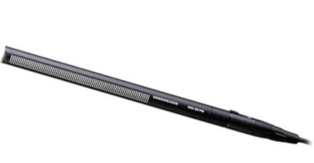
The Sennheiser MKH 416 has been a legendary shotgun microphone in Hollywood and professional broadcast studios for decades. Its reputation is not accidental. Sound engineers across the United States trust it for its precision, clarity, and ability to isolate dialogue in even the most challenging acoustic environments.
The microphone uses an RF condenser design that resists moisture, humidity, and temperature shifts, which is a major advantage for field production, documentaries, and outdoor sets. This technology helps maintain consistent performance when shooting in forests, deserts, rainy streets, or humid coastal regions.
The MKH 416 delivers a strong, focused pickup that allows boom operators to capture voices cleanly from several feet away without pulling in unwanted noise.
The microphone’s tone is especially valued for spoken dialogue because it enhances vocal presence while keeping the sound natural rather than artificially bright. Many filmmakers describe it as a microphone that “sits perfectly in the mix” because it requires minimal post-processing.
However, its long barrel and slightly heavier body may require a skilled operator, especially during long boom takes. It also requires 48V phantom power, so it is better suited for professional cameras and recorders rather than beginner setups.
Despite these considerations, the MKH 416 remains one of the most reliable shotgun microphones money can buy. For serious filmmakers, commercial studios, and broadcast professionals, it continues to be a gold standard for capturing dialogue with precision and realism.
View on Amazon: Sennheiser MKH 416
2. RØDE NTG5
Best For Lightweight boom work
- Extremely light and comfortable for long shoots
- Very low self-noise
- Smooth and balanced frequency response
- Less reach than longer barrel microphones
- Requires phantom power
- Feels less rugged compared to older RF-biased designs
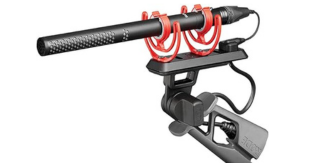
The RØDE NTG5 is one of the most modern and thoughtfully engineered shotgun microphones for filmmakers who need portability without compromising sound quality. Built with a revised acoustic design that uses circular ports instead of the traditional slotted tube, the NTG5 offers a very transparent and natural tonal character. This design enhances directionality and reduces coloration, which results in dialogue that feels clean and true to the source.
At only 76 grams, it significantly reduces arm fatigue during long takes or full-day shoots. This makes it ideal for documentaries, event coverage, student films, and small production houses that require flexible, mobile recording setups. The microphone also has an impressively low self-noise rating, which helps capture quiet, intimate dialogue with clarity.
This is especially important in indoor scenes where room reflections are minimal and every detail counts. While the NTG5 performs exceptionally well, it has slightly less reach compared to longer shotgun microphones like the MKH 416. It is best used in controlled environments, medium-distance shots, or scenes with good boom positioning.
Its lightweight build also means it does not feel as rugged as heavy-duty microphones designed for extreme outdoor conditions. Still, the NTG5 provides incredible performance at a competitive price, making it a strong choice for filmmakers who want advanced technology, versatility, and excellent sound quality with minimal weight.
View on Amazon: RØDE NTG5
3. Deity S-Mic 3
Best For Budget pro filming
- Excellent value for money
- Strong resistance to humidity
- Clean and natural dialogue reproduction
- Slightly heavier than modern lightweight mics
- Midrange not as refined as top-tier models
- Requires phantom power
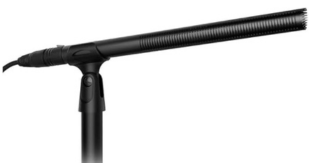
The Deity S-Mic 3 has earned a strong and loyal following in the United States for being one of the most budget-friendly microphones that still produces professional-level results. Independent filmmakers often struggle to balance budget and quality, and this microphone bridges that gap by delivering impressive performance at a fraction of the cost of premium models.
The S-Mic 3 features a brass body and moisture-resistant construction, which allows it to withstand demanding outdoor shoots, humid conditions, and fast-paced filming environments.
Creators who shoot weddings, documentaries, nature content, and run-and-gun interviews appreciate the reliability and consistency it provides. The microphone’s tonal character leans toward natural and clear vocal reproduction, which suits dialogue-driven projects. It also has low self-noise, allowing it to handle quiet indoor scenes without introducing noticeable hiss. While it performs incredibly well for its price, the Deity S-Mic 3 is slightly heavier compared to newer lightweight competitors like the NTG5.
It also lacks a bit of refinement in the upper midrange frequencies, which some sound engineers may notice when comparing it to premium shotgun microphones. Despite this, the S-Mic 2 includes a full accessory kit with a shock mount, foam windscreen, and carrying case, making it easy to begin professional field recording right away.
For creators who want maximum performance without overspending, the Deity S-Mic 3 stands out as one of the best options in its category.
View on Amazon: Deity S-Mic 3
4. Audio-Technica AT897
Best For Run-and-gun shooting
- Flexible power options including AA battery
- Strong directionality despite shorter body
- Smooth and natural vocal tone
- Higher self-noise than premium models
- Fewer accessories included
- Requires careful aiming for best performance
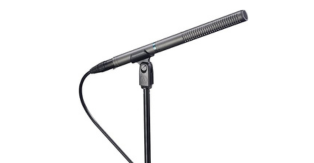
The Audio-Technica AT897 is a respected midrange shotgun microphone that appeals to documentary filmmakers, mobile news reporters, wedding videographers, and any creator who needs reliable performance in unpredictable environments. One of its strongest advantages is its hybrid power system. It can operate on standard 48V phantom power, but it can also run on an AA battery, which gives creators flexibility when using cameras that do not have phantom power inputs.
This feature makes it especially useful for journalists or field videographers in the United States who frequently switch between professional camcorders, compact recorders, and DSLR or mirrorless cameras. Its shorter length makes it manageable on camera rigs without extending too far forward, yet it still provides strong directionality that isolates the subject’s voice from surrounding noise. The microphone offers a natural and pleasing tone, especially for voices, which is why many run-and-gun filmmakers prefer it for interviews and on-the-go content.
While the AT897 performs well, it does have limitations compared to high-tier microphones. Its self-noise is slightly higher, which means very quiet indoor scenes may reveal some noise floor when the gain is pushed. It also requires more precise aiming, as its shorter tube length results in a less aggressive pickup pattern.
Accessories included in the package are minimal, so many creators eventually purchase additional shock mounts or wind protection for professional use. Despite these minor drawbacks, the Audio-Technica AT897 strikes an excellent balance between price, flexibility, sound quality, and durability. For creators who need versatility without spending premium prices, it remains a reliable and practical shotgun microphone.
View on Amazon: Audio-Technica AT897
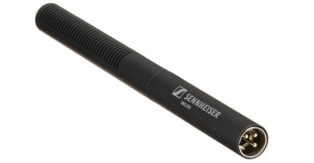
5. Sennheiser MKE 600
Best For Semi-pro filmmaking
- Excellent speech clarity
- Durable construction with strong off-axis rejection
- Phantom power and battery power compatibility
- Slightly heavy for smaller rigs
- High frequencies may sound sharp on certain voices
- Included mount is basic
The Sennheiser MKE 600 is a widely used shotgun microphone among professional videographers, wedding filmmakers, and corporate video creators in the United States. It delivers dependable performance, long reach, and strong directionality, which makes it a practical choice for both indoor and outdoor recording.
Its ability to operate on either 48V phantom power or a standard AA battery adds to its usability across a wide range of setups. This allows creators to use it on everything from cinema cameras to entry-level DSLRs without worrying about power compatibility. The MKE 600 offers a warm, clear, and articulate vocal tone, which is particularly useful when capturing interviews, speeches, or documentary dialogue.
The microphone’s robust metal body makes it durable enough for frequent travel and field use, which is why event filmmakers find it especially valuable. Although the microphone performs well across different environments, it does have a few tradeoffs. It is slightly heavier than some similarly priced alternatives, which can make it less comfortable on lightweight mirrorless rigs or smaller gimbals. Some users note that the high frequency range can feel harsh depending on the subject’s voice and environment, so minor equalization may be necessary during post-production.
Additionally, the included shock mount is not the most advanced, so filmmakers often upgrade to a more stable mount for professional work. Despite these small drawbacks, the Sennheiser MKE 600 remains one of the strongest mid-tier shotgun microphones available. Its reliability, clarity, and durable construction make it a top choice for any filmmaker who wants premium quality without crossing into high-end price brackets.
View on Amazon: Sennheiser MKE 600
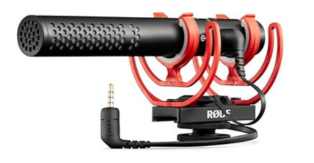
6. RØDE VideoMic NTG
Best For Hybrid creators
- Works with cameras, smartphones, and computers
- Built-in USB-C output
- Lightweight and great for beginners and pros
- Not designed for long-distance boom use
- Handling noise slightly higher than full-size shotguns
- Internal battery cannot be swapped
The RØDE VideoMic NTG is one of the most versatile shotgun microphones available in the United States today. It is a hybrid microphone that works effortlessly across multiple platforms, including DSLR and mirrorless cameras, smartphones, tablets, and computers. This flexibility makes it ideal for content creators, educators, podcasters, remote workers, and filmmakers who want a single microphone that handles various recording setups without extra adapters.
One of the most appealing features of the VideoMic NTG is its USB-C output, which allows the microphone to function as a high-quality desktop microphone for voiceovers, Zoom calls, or podcasting. When used on a camera, it automatically detects the type of device it is connected to, which eliminates the need for manual switching or special cables.
The sound signature is modern, clean, and suitable for dialogue-driven content. making it a strong choice for interviews, tutorials, product reviews, travel vlogs, and short films. Although the VideoMic NTG excels in versatility, it is not a replacement for long-barrel professional shotgun microphones. It does not offer the same reach or off-axis rejection required for serious boom pole dialogue capture. Handling noise can be slightly more noticeable due to the lightweight housing, although this can be managed with a good shock mount.
The built-in rechargeable battery provides long runtime, but it cannot be swapped, which may be a disadvantage for long shooting days without charging access. Overall, the RØDE VideoMic NTG is an incredible option for creators who want a microphone that adapts to multiple devices without sacrificing audio quality. Its value, flexibility, and user-friendly design make it one of the best multipurpose shotgun microphones available.
View on Amazon: RØDE VideoMic NTG
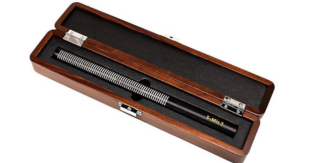
7. Deity D3 Pro
Best For Vlogging setups
- Adjustable gain knob for precise control
- Excellent clarity for on-camera use
- Great compatibility with various camera models
- Not ideal for long boom pole distance
- Heavier than some compact vlog microphones
- Gain knob can be bumped during movement
The Deity D3 Pro has become a favorite among vloggers, YouTubers, and small production teams in the United States because of its impressive clarity, easy usability, and innovative gain control system. The standout feature of this microphone is its stepless gain knob, which allows creators to fine-tune their audio levels with great precision. This is incredibly useful for situations where sound levels change quickly, such as outdoor vlogs, live event coverage, or spontaneous interviews.
The smart 3.5 mm connector automatically adjusts to different devices, allowing the microphone to work seamlessly with DSLRs, mirrorless cameras, camcorders, and even smartphones with the right adapter. Its internal battery provides long-lasting power that can handle full-day shoots, which can be a major convenience for travel creators and daily vloggers.
The sound signature of the D3 Pro is bright, clear, and focused, making it perfect for capturing speech. Although the microphone works very well for on-camera recording, it is not designed for long boom pole operation, partly because of its compact size and partly because its pickup pattern is less aggressive than a full-size shotgun microphone. It is also slightly heavier than some ultra-compact vlog microphones, which may matter to creators who mount multiple accessories on small rigs.
Additionally, the gain knob, while helpful, can be accidentally moved during handheld shooting if care is not taken. Even with these minor limitations, the Deity D3 Pro remains one of the best affordable and high-performing microphones for creators who want professional sound without large equipment. Its versatility and strong audio quality make it a standout choice in the US content creation scene.
View on Amazon: Deity D3 Pro
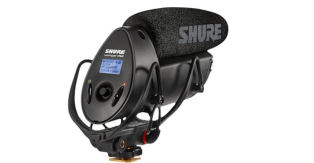
8. Shure VP83F LensHopper
Best For On-camera backup recording
- Built-in microSD recorder
- Excellent durability
- Clean, detailed sound for a compact mic
- Requires AA batteries
- Bulkier than competing on mics
- Less suitable for boom pole recording
The Shure VP83F LensHopper is a unique shotgun microphone because it features an integrated audio recorder that captures sound directly onto a microSD card. This feature is highly valuable for U.S.-based filmmakers who need a backup recording method during weddings, documentaries, or fast-paced shoots where camera audio errors could lead to lost footage.
The built-in screen and intuitive menu system make it simple to monitor levels, adjust settings, and manage recordings on the fly. This independence from the camera’s internal audio system ensures cleaner sound and avoids issues caused by low-quality camera preamps. The microphone delivers a crisp and detailed sound profile that works particularly well for dialogue.
Its compact size makes it suitable for DSLR and mirrorless cameras, although it is slightly bulkier than some competing models due to the internal recording hardware. The durable metal construction ensures that it can withstand travel, outdoor shooting, and heavy field use. However, the VP83F does have a few drawbacks. It requires AA batteries, which means you must carry spares and manage battery changes during long shooting days.
The additional bulk also makes it less ideal for small rigs. Its on-camera-focused design means it does not serve well as a boom pole microphone for cinema-style filming. Despite these limitations, the Shure VP83F remains a powerful tool for creator-style value, reliability, and backup systems. For wedding filmmakers, documentary shooters, and journalists in the United States, the built-in recorder provides peace of mind and ensures that high-quality audio is captured regardless of camera limitations.
View on Amazon: VP83F LensHopper
Frequently Asked Questions About Shotgun Mics
Shotgun microphones use a long tube (the “interference tube”) with slots along its sides and a directional capsule at the end. Sounds arriving off‐axis must travel through different entry points in the slots and interfere destructively, while on‐axis sounds reach the capsule more directly.
That means sounds from the front are captured strongly, and ambient or side sounds are attenuated. They typically employ a super‐cardioid or lobe polar pattern, making them effective for focused audio capture and rejecting background noise. This is why they are popular for film, boom pole work, interviews, and video where you want speech clarity.
Yes. Shotgun microphones are one of the most reliable tools for video production because they capture sound from the front while reducing noise from the sides and rear. This makes them ideal for interviews, dialogue scenes, YouTube videos, documentaries, and outdoor filming. Their focused pickup pattern helps isolate the subject’s voice even in challenging environment
Shotgun mics are commonly used in filmmaking, television production, vlogging, journalism, podcasting, and field recording. They excel in situations where you cannot place a microphone close to the subject, such as over a film set or on top of a camera. They are also useful for capturing natural sound, ambient environments, and outdoor dialogue.
Most professional shotgun microphones require 48-volt phantom power, which is supplied by audio recorders, mixers, and cinema cameras. Some models also include a battery option, usually an AA battery, which is helpful when using cameras that do not support phantom power. Always check your equipment to ensure compatibility.
You can, but results vary depending on placement. Shotgun mics can work for streaming if they are positioned correctly above your monitor, just outside the frame. They offer a cleaner look compared to desk microphones. However, they can pick up room reflections if not placed properly. A closer microphone may be better for small untreated rooms.
The ideal distance is usually between one and three feet. Placing the microphone too far away reduces clarity and increases background noise. For film sets, the mic is often kept just out of the frame above the subject. For on-camera use, place the mic as close as possible without entering the shot.
They can work indoors, but results depend on room acoustics. Shotgun mics are very directional, which means they may pick up reflections if the room has hard surfaces. Many creators still use them indoors with success, especially when the microphone is placed at the correct distance and angle. Soft furnishings and acoustic treatment improve results.
A supercardioid mic is a type of microphone with a tight pickup pattern, while a shotgun microphone uses an interference tube to make that pattern even more focused. All shotgun mics are directional, but their interference tube design gives them stronger reach and better side rejection than traditional supercardioid microphones.
Yes. A windscreen or deadcat is essential when recording outdoors because shotgun microphones are very sensitive to wind noise. Even a light breeze can cause distortion. Indoors, a foam windscreen is usually enough, but outdoor shoots almost always require a furry windscreen for clean audio
Many modern shotgun microphones can be used with smartphones when paired with the correct cables or adapters. Some models, such as hybrid creator mics, work directly with phones using auto-switching connectors or USB-C outputs. Always check the compatibility of your phone and the microphone before purchasing.
Final Words
All of the shotgun microphones discussed above offer impressive audio performance, and each one can provide professional-sounding results when used correctly. Even the budget-friendly models deliver excellent value, which means you do not need a large budget to achieve clear and polished audio.
We hope this guide helps you choose the best shotgun microphone for your needs. For professionals who want outstanding sound quality and durability, the Sennheiser MKH 416 is our strongest recommendation.
Its reliability has made it a trusted tool on countless film sets, and its ability to handle challenging environments sets it apart from most competitors. Creators who invest in the MKH 416 often find that it remains part of their setup for years, even as their gear evolves. Its long-standing reputation in the industry makes it a safe and rewarding choice for serious audio work.
For creators looking for a versatile and dependable option at a more approachable price, the Rode NTG2 is an excellent choice.