A home theater system is only as good as the power feeding it. Voltage fluctuations, electrical noise, and sudden surges can negatively affect sound quality, picture clarity, and long-term equipment reliability. A dedicated power manager or conditioner helps protect your investment while delivering more stable performance.
Unlike basic surge protectors, power managers and conditioners are built specifically for sensitive audio and video equipment. They filter electrical interference, regulate incoming power, and reduce the risk of damage from spikes or outages. This results in cleaner audio, fewer visual artifacts, and more dependable system operation.
Modern home theaters often include multiple connected components that demand consistent and organized power delivery. Power managers simplify cable management while ensuring each device receives clean, controlled power. This is especially important for amplifiers, AV receivers, and high-end displays.
In 2025, power conditioning technology has become more advanced and more accessible. Many models now include voltage monitoring, delayed outlet switching, and protection for data and coaxial lines. These features make them suitable for both compact setups and full-scale home theater systems.
This guide highlights the best home theater power managers and conditioners available right now. Each option is selected for reliability, protection quality, and real-world performance. Whether you want basic surge protection or advanced power management, these choices help keep your home theater safe and performing at its best.
Things to Consider When Buying a Home Theater Power Manager or Power Conditioner
1. Level of Power Protection
The primary role of a home theater power manager is to protect your equipment from power surges, spikes, and voltage fluctuations. These electrical issues can occur suddenly and damage sensitive internal components in TVs, AV receivers, amplifiers, and media players. A power manager with strong surge suppression acts as the first line of defense for your entire setup.
One of the key indicators of protection strength is the joule rating. A higher joule rating means the unit can absorb more energy during a surge without failing. This is especially important for home theaters with expensive or multiple components connected at the same time.
Power disturbances are not always dramatic events like lightning strikes. Small and frequent voltage fluctuations can slowly degrade electronics over months or years. Quality power conditioners protect against this gradual wear by stabilizing incoming power.
Some advanced power managers use multi-stage surge suppression. These systems respond differently based on the intensity and duration of the surge. This layered approach improves reliability and extends the life of connected devices.
Clamping voltage is another important factor to consider. Lower clamping voltage allows the power manager to react faster when a surge occurs. Faster response reduces the chance of excess voltage reaching your equipment.
For homes in areas with unstable electrical grids or frequent storms, strong power protection is essential. Investing in a reliable power manager helps avoid costly repairs or replacements. Over time, proper protection preserves both performance and peace of mind.
2. Noise Filtering and Power Conditioning
Electrical noise can enter your home theater system through power lines and affect both audio and video performance. This noise often comes from household appliances, lighting systems, or nearby electronic devices sharing the same circuit. Power conditioners with EMI and RFI filtering remove this interference before it reaches your components.
Noise problems usually appear as faint humming, buzzing, or subtle distortion in sound. In video systems, electrical noise can cause minor flickering or reduced picture stability. Clean power allows your equipment to perform closer to its intended quality.
High-resolution audio systems are especially sensitive to electrical interference. Even small amounts of noise can reduce clarity and detail in music or dialogue. Power conditioning helps preserve sound accuracy and separation.
Many power managers separate digital and analog outlets internally. This reduces interference between devices such as streaming boxes and amplifiers. The result is a more balanced and consistent performance across the system.
Homes with older wiring or shared electrical lines are more likely to experience power noise. Nearby appliances like refrigerators or air conditioners can introduce interference. A power conditioner helps isolate your home theater from these disturbances.
While noise filtering may not create dramatic changes instantly, its benefits become clear over time. The system sounds cleaner and more controlled during long listening sessions. This refinement enhances the overall home theater experience.
3. Number and Type of Outlets
A home theater setup often includes multiple devices that all require power at the same time. Televisions, AV receivers, amplifiers, streaming devices, game consoles, and media players can quickly fill up outlets. A power manager should offer enough sockets to support your entire system without forcing you to use additional power strips.
The type of outlets also matters, not just the quantity. Some power managers include standard outlets along with high-current outlets designed for power-hungry components like amplifiers and subwoofers. These high-current outlets deliver consistent power without restricting performance during loud or dynamic scenes.
Outlet spacing is another important consideration. Large power adapters or transformer plugs can block neighboring outlets if spacing is too tight. Well-designed power managers provide wider spacing to ensure all outlets remain usable.
Some units feature isolated outlet banks that separate digital and analog components. This design reduces electrical interference between devices that operate differently. It helps maintain cleaner audio and more stable system performance.
Switched and always-on outlets add convenience to daily use. You can keep certain devices powered at all times while controlling others with a single switch. This setup works well for network devices or automation systems.
Choosing the right outlet configuration makes your system easier to manage. It keeps cables organized and reduces clutter behind your equipment. Proper planning also allows room for future upgrades without needing a new power manager.
4. Power Sequencing and Delayed Start
Power sequencing controls the order in which your home theater components turn on and off. This is especially important for systems that include external amplifiers, powered speakers, or subwoofers. Proper sequencing helps prevent loud pops, sudden surges, or speaker damage during startup.
Without sequencing, amplifiers may turn on before processors or AV receivers are fully ready. This can send unwanted electrical signals through the speakers and create sharp noises. Delayed start features ensure that source devices and processors stabilize before amplifiers receive power.
Many advanced power managers allow multiple outlet banks with separate delay intervals. Each group powers up in a controlled sequence rather than all at once. This staged startup reduces electrical stress on connected components.
Power-down sequencing is equally important for system safety. Turning off amplifiers last prevents sudden audio cutoffs and voltage spikes. This helps protect speakers and preserves long-term performance.
Sequencing also improves everyday convenience. A single switch or button can safely control the entire system. This simplifies operation and reduces wear from frequent manual power cycling.
For larger or high-end home theaters, power sequencing becomes essential rather than optional. It adds both protection and professionalism to the setup. A well-sequenced system operates more smoothly and reliably over time.
5. Build Quality and Reliability
Build quality plays a major role in how well a power manager performs over time. A well-built unit can handle continuous electrical load without overheating or failing. Strong construction ensures consistent protection for all connected home theater components.
Materials used in the housing affect both durability and safety. Metal enclosures generally provide better shielding against interference than plastic designs. They also withstand physical stress better in rack-mounted or tight installations.
Internal component quality is just as important as the exterior. High-grade wiring, solid soldering, and reliable circuitry improve heat management and power distribution. This reduces the risk of internal failure during long-term use.
Cheap or poorly built power managers may lose effectiveness over time. Repeated exposure to power fluctuations can weaken internal protection components. Investing in a solidly built unit helps maintain reliable protection year after year.
Outlet firmness and switch quality also reflect overall reliability. Loose outlets or flimsy switches can cause connection issues or safety concerns. A sturdy feel usually indicates better internal construction.
Choosing a durable power manager saves money in the long run. It can protect multiple generations of equipment without replacement. Strong build quality ensures dependable performance throughout the life of your home theater system.
6. Monitoring and Display Features
Monitoring features allow you to keep track of incoming power and system status in real time. Many power managers include voltage displays, LED indicators, or status lights that show whether power levels are stable. These features provide immediate feedback and help you stay aware of electrical conditions.
Voltage displays are especially useful in areas with unstable power. They allow you to notice unusual fluctuations before they cause damage. This early awareness gives you time to shut down equipment or investigate electrical issues.
Some advanced power managers include automatic shutdown protection. When voltage moves outside a safe range, the unit cuts power to protect connected devices. This feature acts as a safety net during extreme conditions.
Monitoring also helps with troubleshooting system behavior. If audio or video issues appear, checking voltage levels can provide useful clues. This reduces guesswork and saves time when diagnosing problems.
Clear displays improve usability in low-light home theater environments. Large numbers and simple indicators are easier to read at a glance. This makes daily operation more convenient.
While monitoring features are not required for basic protection, they add confidence and control. They turn a passive device into an active safeguard. For many users, this added visibility is worth the upgrade.
7. Rack Mounting vs Standalone Design
Rack-mounted power managers are designed for dedicated home theater or professional AV setups. They fit neatly into standard equipment racks and help centralize power distribution. This layout improves organization and keeps cables tidy and accessible.
Rack units also improve airflow within an AV cabinet. Proper spacing and alignment reduce heat buildup around connected components. This helps maintain stable performance during long viewing or listening sessions.
Standalone power managers are better suited for casual or living room setups. They are easy to place behind furniture or near wall outlets without needing a rack. This makes them a flexible choice for smaller systems.
Standalone designs are often simpler and more compact. They work well for users with fewer components. Portability and ease of placement are their main advantages.
When choosing between the two, consider future expansion. A growing system may benefit from rack compatibility later. Planning ahead avoids replacing the unit sooner than expected.
Both designs can offer excellent protection and conditioning. The decision depends on available space and system complexity. Functionality should always come before appearance.
8. Additional Protection Lines
Power surges do not always enter a system through wall outlets alone. Cable, satellite, antenna, and Ethernet lines can also carry damaging voltage into connected equipment. Power managers with dedicated line protection block these alternate surge paths.
Ethernet protection is especially important for smart TVs, streaming devices, and networked AV receivers. Network surges can damage sensitive ports and internal boards. Built-in Ethernet protection helps reduce this risk significantly.
Coaxial line protection safeguards cable boxes, tuners, and satellite receivers. Storm-related surges often travel through signal lines rather than power cords. Protecting these connections prevents unexpected equipment failure.
Some power managers also improve grounding for signal lines. Better grounding reduces interference and stabilizes signal quality. This can improve both safety and performance.
Ignoring line protection leaves part of your system exposed. Even strong outlet protection cannot stop surges entering through data cables. Full-path protection ensures complete system safety.
A power manager with comprehensive line protection offers peace of mind. Every connection is guarded against electrical threats. This makes it a smart choice for protecting valuable home theater investments.20 to 400V.
Roundup of the Best Power Managers and Power Conditioners
| Best Overall Home Theater Protection | Furman Elite-15 PFi Power Conditioner |
| Best Affordable Rack-Mount Solution | Furman M-8×2 Merit Series Power Conditioner |
| Best Balanced Performance and Features | Panamax MR4300 Power Line Conditioner |
| Best Advanced Power Management | Panamax M5300-PM Power Management System |
| Best Heavy-Duty Surge Protection | Tripp Lite ISOBAR12ULTRA Surge Protector / Conditioner |
| Best for Power Backup and Conditioning | CyberPower CP1500PFCLCD PFC UPS / Power Conditioner |
| Best Compact Power Conditioning | Furman AC-215A Compact Power Conditioner |
| Best Audiophile-Focused Conditioning | AudioQuest PowerQuest 303 Power Conditioner |
Top 8 Power Conditioners and Power Managers for Home Theater Systems
1. Furman Elite-15 PFi Power Conditioner
Best Overall Home Theater Protection
- Excellent surge suppression and power filtration
- Power Factor Technology improves amplifier performance
- Strong build quality with premium internal components
- Front panel display for voltage monitoring
- Expensive compared to basic conditioners
- Large size may not suit compact setups
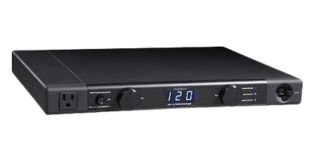
The Furman Elite-15 PFi Power Conditioner is designed for serious home theater systems that demand both protection and performance. It combines Furman’s advanced surge suppression with Power Factor Technology, which stores reserve power and delivers it instantly when amplifiers need it. This helps maintain dynamic audio performance without compression during demanding scenes.
One of its strongest advantages is power filtration. The Elite-15 PFi removes electrical noise from the AC line, which helps improve sound clarity and video stability. Users often notice cleaner dialog, tighter bass response, and reduced background hum after integrating it into their system.
Build quality is another highlight. The unit features a solid chassis and high-grade internal components built for long-term reliability. It is designed to handle continuous use in dedicated home theater racks without overheating or performance degradation.
The front panel voltage display adds practical value. It allows you to monitor incoming power levels in real time and quickly spot irregularities. This feature is especially useful in areas with unstable electrical supply.
In larger home theater setups, the Elite-15 PFi excels because it supports high-current components such as power amplifiers and subwoofers. It ensures these devices receive clean, unrestricted power even during peak demand. This makes it well suited for immersive surround sound systems.
Overall, the Furman Elite-15 PFi is ideal for users who want maximum protection, improved performance, and long-term reliability. While it carries a premium price, it delivers professional-grade power management that matches high-end home theater investments.
View on Amazon: Furman Elite-15 PFi Power Conditioner
2. Furman M-8×2 Merit Series Power Conditioner
Best Affordable Rack-Mount Solution
- Reliable surge suppression for everyday AV setups
- Compact rack-mount design
- Simple and durable construction
- Good value for the price
- No advanced noise filtration
- Lacks voltage monitoring features
The Furman M-8×2 Merit Series Power Conditioner is a practical choice for users who want dependable surge protection without paying for advanced features they may not need. It is designed to provide basic power conditioning for home theaters, studios, and AV racks. This makes it a popular option for entry-level and mid-range setups.
One of its biggest strengths is simplicity. The M-8×2 focuses on stable power distribution and surge suppression rather than complex filtering. This straightforward approach makes it easy to use and reliable for long-term operation.
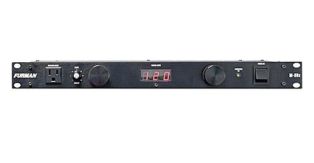
The rack-mount design is ideal for organized AV installations. It fits cleanly into standard racks and keeps power cables neatly managed. This helps maintain airflow and reduces clutter in home theater cabinets.
While it does not offer advanced noise filtering, it still protects connected devices from voltage spikes. This level of protection is sufficient for many televisions, receivers, streaming devices, and media players. For users in areas with relatively stable power, this is often enough.
Build quality is solid for its category. The metal chassis feels sturdy and is designed to withstand continuous use. This durability makes it suitable for both home and light professional environments.
Overall, the Furman M-8×2 Merit Series is best for users who want affordable rack-mounted protection. It delivers dependable performance, clean power distribution, and Furman reliability at a budget-friendly price.
View on Amazon: Furman M-8×2 Merit Series Power Conditioner
3. Panamax MR4300 Power Line Conditioner
Best Balanced Performance and Features
- Strong surge protection with automatic voltage monitoring
- Effective noise filtration for audio and video equipment
- Well-spaced outlets for larger power adapters
- Solid build quality with clear indicator lights
- No power sequencing
- Larger footprint compared to basic conditioners
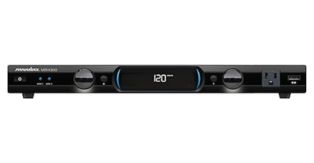
The Panamax MR4300 Power Line Conditioner is designed for users who want a balance between protection, performance, and usability. It offers reliable surge suppression along with noise filtration that helps maintain clean audio and stable video output. This makes it a good fit for mid to high-end home theater systems.
One of the key features of the MR4300 is its automatic voltage monitoring. The unit continuously checks incoming power and disconnects equipment if voltage levels move outside a safe range. Once power stabilizes, it automatically reconnects, providing hands-off protection during unstable conditions.
Noise filtration is effective across both audio and video components. By reducing electrical interference, the MR4300 helps improve dialog clarity and reduces background hum. This is especially noticeable in systems with sensitive audio equipment or large displays.
The outlet layout is thoughtfully designed with enough spacing to accommodate bulky plugs and adapters. This makes it easier to connect multiple devices without blocking neighboring outlets. It also helps keep cables organized behind your setup.
Build quality feels solid and dependable. Indicator lights on the front panel provide clear status information, making it easy to confirm protection at a glance. While it lacks advanced features like power sequencing, its core functionality remains strong.
Overall, the Panamax MR4300 is best for users who want dependable protection and clean power without unnecessary complexity. It delivers a strong mix of safety, performance, and convenience for most home theater environments.
View on Amazon: Panamax MR4300 Power Line Conditioner
4. Panamax M5300-PM Power Management System
Best Advanced Power Management
- Advanced surge protection with automatic voltage shutdown
- Power sequencing for safe system startup
- Strong noise filtration for audio and video clarity
- Front panel monitoring indicators
- Higher price than basic conditioners
- Larger size requires adequate rack or shelf space
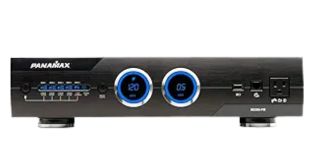
The Panamax M5300-PM Power Management System is built for home theater setups that require more control and safety than standard surge protectors. It combines robust surge suppression with advanced power monitoring to protect sensitive AV components. This makes it especially suitable for larger or more complex systems.
One of the standout features is its automatic voltage monitoring and shutdown capability. If incoming voltage rises too high or drops too low, the unit disconnects power to protect connected equipment. Once voltage returns to a safe range, it restores power automatically without user intervention.
Power sequencing is another major advantage of the M5300-PM. Devices turn on and off in a controlled order, which helps prevent speaker pops and electrical stress. This is particularly useful for systems with external amplifiers and powered subwoofers.
Noise filtration is well implemented and helps reduce interference that can affect audio and video quality. Cleaner power leads to clearer dialog, improved detail, and more stable picture performance. These benefits are most noticeable in higher-resolution home theater systems.
The front panel includes clear indicators that show protection status and power conditions. This allows you to quickly confirm that your system is operating safely. It also adds peace of mind during long viewing or listening sessions.
Overall, the Panamax M5300-PM is ideal for users who want advanced power management features in one unit. It offers strong protection, sequencing, and noise reduction for serious home theater installations.
View on Amazon: Panamax M5300-PM Power Management System
5. Tripp Lite ISOBAR12ULTRA Surge Protector / Conditioner
Best Heavy-Duty Surge Protection
- Extremely strong surge suppression capability
- Isolated filter banks reduce electrical interference
- Rugged metal housing for long-term durability
- Wide outlet spacing for large power adapters
- No voltage display or monitoring screen
- Bulky design compared to slim conditioners
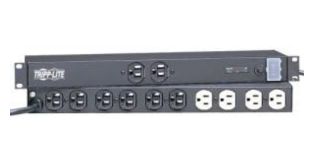
The Tripp Lite ISOBAR12ULTRA Surge Protector / Conditioner is built for users who prioritize maximum surge protection over advanced features. It is designed to handle severe electrical spikes and offers one of the highest surge suppression ratings in its class. This makes it well suited for protecting valuable home theater equipment in areas with unstable power.
A major advantage of this unit is its isolated filter banks. Each group of outlets is electrically separated to prevent noise interference between connected devices. This helps reduce hum and signal contamination between digital and analog components.
The heavy-duty metal housing adds to its reliability. It protects the internal circuitry from physical damage and helps shield against electromagnetic interference. This rugged build makes the ISOBAR12ULTRA suitable for long-term use in demanding environments.
Outlet spacing is generous, allowing large plugs and adapters to fit without blocking nearby sockets. This is especially useful for AV receivers, power bricks, and streaming devices. The layout keeps connections clean and manageable.
While it does not offer voltage monitoring or power sequencing, its core protection is extremely dependable. The focus remains on safeguarding equipment rather than providing advanced controls. For many users, this simplicity is a strength.
Overall, the Tripp Lite ISOBAR12ULTRA is best for those who want serious surge protection and durability. It delivers reliable conditioning and interference reduction without unnecessary complexity.
View on Amazon: Tripp Lite ISOBAR12ULTRA Surge Protector / Conditioner
6. CyberPower CP1500PFCLCD PFC UPS / Power Conditioner
Best for Power Backup and Conditioning
- Provides battery backup during power outages
- Automatic voltage regulation for stable output
- LCD display shows real-time power status
- Suitable for sensitive electronics and AV gear
- Larger and heavier than standard power conditioners
- Fan noise may be noticeable in quiet rooms
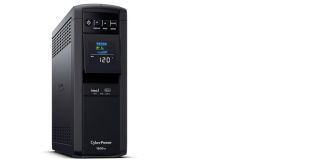
The CyberPower CP1500PFCLCD PFC UPS / Power Conditioner is ideal for users who want both power protection and uninterrupted operation. Unlike standard power conditioners, it includes a built-in battery that keeps your home theater running during brief outages. This is especially useful for preventing sudden shutdowns that can damage equipment or interrupt viewing.
One of its standout features is automatic voltage regulation. The unit corrects minor voltage fluctuations without switching to battery power, which helps extend battery life and maintain consistent performance. This ensures your AV components receive steady power even when the electrical supply is unstable.
The front-facing LCD display provides clear and useful information. It shows input voltage, battery status, load level, and estimated runtime. This visibility helps users understand power conditions at a glance and plan accordingly.
For modern home theaters with sensitive electronics, the CP1500PFCLCD offers an added layer of security. It supports power factor corrected devices, making it compatible with newer AV receivers and displays. This ensures efficient and reliable power delivery across the system.
The unit’s size and weight are trade-offs for the added battery and features. While it may take up more space than a standard conditioner, the benefits of backup power often outweigh this drawback. Placement planning helps minimize inconvenience.
Overall, the CyberPower CP1500PFCLCD is best for users who want continuous operation and strong power conditioning. It combines surge protection, voltage regulation, and backup power in a single, dependable unit.
View on Amazon: CyberPower CP1500PFCLCD PFC UPS / Power Conditioner
7. Furman AC-215A Compact Power Conditioner
Best Compact Power Conditioning
- Compact and space-saving design
- Linear filtering reduces electrical noise
- Strong surge protection for its size
- Easy to integrate into existing setups
- Limited number of outlets
- Not designed for large power amplifiers
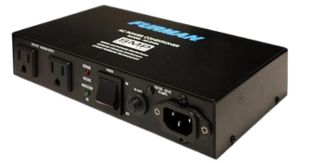
The Furman AC-215A Compact Power Conditioner is designed for users who want effective power conditioning without a bulky form factor. Its small size makes it easy to place behind a TV, inside an entertainment cabinet, or near a wall outlet. This makes it ideal for minimalist or space-constrained home theater setups.
Despite its compact design, the AC-215A provides reliable surge protection. It guards against voltage spikes that can damage sensitive electronics such as streaming devices, televisions, and AV receivers. This ensures basic safety without requiring a full rack-mounted unit.
Furman’s Linear Filtering Technology is a key highlight. It reduces electrical noise across the AC line, helping improve audio clarity and video stability. This can result in cleaner sound and reduced interference during playback.
The unit is particularly well suited for source components and smaller systems. Devices like Blu-ray players, media streamers, and gaming consoles benefit from its clean power output. However, it is not intended to support high-current amplifiers.
Installation is simple and user-friendly. The AC-215A plugs directly into the wall and does not require additional configuration. This makes it a convenient upgrade for users new to power conditioning.
Overall, the Furman AC-215A is best for users who want compact and efficient power conditioning. It delivers dependable protection and noise reduction in a small, unobtrusive design.
View on Amazon: Furman AC-215A Compact Power Conditioner
8. AudioQuest PowerQuest 303 Power Conditioner
Best Audiophile-Focused Conditioning
- Excellent noise dissipation for cleaner audio and video
- Solid build quality with premium internal components
- Simple, plug-and-play design
- Well-suited for high-resolution audio systems
- No voltage display or monitoring features
- Higher cost compared to basic surge protectors
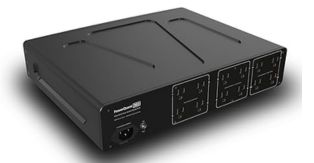
The AudioQuest PowerQuest 303 Power Conditioner is designed for users who prioritize sound and picture refinement in their home theater systems. It focuses on reducing electrical noise rather than adding complex power management features. This approach makes it especially appealing to audiophiles and home cinema enthusiasts who value signal purity.
One of the key strengths of the PowerQuest 303 is its noise dissipation technology. It minimizes radio frequency and electromagnetic interference that can travel through power lines. This results in clearer dialog, improved detail, and a more stable image on high-quality displays.
Build quality reflects AudioQuest’s premium design philosophy. The unit uses carefully selected internal components and a robust enclosure to maintain consistent performance. This attention to detail helps ensure long-term reliability and stable power delivery.
The PowerQuest 303 is easy to integrate into existing systems. It does not require setup or configuration, making it suitable for users who want immediate improvement without complexity. Simply connecting your equipment allows the conditioner to begin filtering noise.
While it does not include voltage monitoring or sequencing, its strength lies in audio and video refinement. For systems that already have stable power, this focused design is often enough. It enhances performance without altering system behavior.
Overall, the AudioQuest PowerQuest 303 is best for users seeking cleaner power for high-end audio and video components. It delivers noticeable refinement and reliable protection for premium home theater setups.
View on Amazon: AudioQuest PowerQuest 303 Power Conditioner
Frequently Asked Questions About Power Conditioners
A power conditioner is highly recommended if you want to protect your home theater investment and maintain consistent performance.
Even if your area does not experience frequent power outages, everyday electrical noise and small voltage fluctuations can still affect sensitive electronics. Over time, these issues can reduce component lifespan, introduce audio hum, or cause video instability, which a power conditioner helps prevent.
Beyond protection, power conditioners also help your system perform more reliably. Clean power allows AV receivers, amplifiers, and displays to operate closer to their designed specifications. For users who have spent significantly on audio and video gear, a power conditioner acts as both protection and performance insurance.
Yes, there is a significant difference between the two. A standard surge protector mainly guards against large voltage spikes, such as those caused by lightning or sudden grid disturbances. A power conditioner goes further by also filtering electrical noise and stabilizing power delivery.
Power conditioners remove interference caused by appliances, lighting systems, and shared electrical circuits. This noise filtering can improve sound clarity and picture consistency, which a basic surge protector does not address. In short, surge protectors focus on safety, while power conditioners focus on both safety and performance.
In many home theater systems, a power conditioner can lead to noticeable improvements, especially over time. By reducing electrical noise, it helps eliminate subtle audio distortion, background hum, and signal interference. Video displays may also benefit from more stable power, resulting in smoother motion and fewer visual artifacts.
The improvement is usually not dramatic or instant, but it becomes more apparent during long listening sessions or when watching high-quality content. Systems with high-resolution audio gear and large displays tend to show the most benefit. Clean power allows components to operate without unnecessary interference.
A properly designed and reputable power conditioner will not damage your equipment. Instead, it regulates and filters incoming power to keep it within safe operating limits. This controlled environment actually reduces stress on internal circuits.
Problems usually occur only with very low-quality or improperly designed units. Choosing trusted brands ensures your components receive safe and stable power. When used correctly, a power conditioner enhances protection rather than creating risk.
Even homes with relatively stable electricity experience minor fluctuations and electrical noise. Appliances like refrigerators, air conditioners, and washing machines can introduce interference into shared power lines. These small disturbances may not be noticeable immediately but can affect electronics over time.
A power conditioner helps smooth out these everyday inconsistencies. It ensures your home theater components receive cleaner power regardless of what else is running in the house. This consistency supports both long-term reliability and better performance.
High-quality power conditioners are designed not to restrict power delivery. Many models include high-current outlets specifically intended for amplifiers and powered subwoofers. These outlets allow equipment to draw the power it needs during dynamic scenes without compression.
Lower-quality units or basic surge strips may limit current under heavy load. This is why choosing the right power conditioner matters. A well-designed unit supports demanding audio performance while still providing protection and filtering.
A UPS and a power conditioner serve different purposes. A UPS provides battery backup during power outages, allowing equipment to stay on briefly or shut down safely. A power conditioner focuses on cleaning and stabilizing power during normal operation.
Some users benefit from a unit that combines both features, especially in areas with frequent outages. The best choice depends on whether uninterrupted operation is important for your setup. For pure audio and video performance, conditioning is usually the priority.
The ideal number of outlets depends on your system size. A typical home theater may include a TV or projector, AV receiver, amplifier, streaming device, gaming console, and media player. Choosing a unit with extra outlets allows room for future upgrades.
Outlet spacing is also important, especially for large power adapters. A well-designed power manager avoids blocked sockets and keeps cables organized. Planning ahead prevents the need for additional power strips later.
Yes, power conditioners are well suited for gaming consoles, streaming boxes, and media players. These devices contain sensitive electronics that benefit from stable and clean power. Protection also helps prevent sudden shutdowns during voltage fluctuations.
For gamers, cleaner power can reduce random restarts and improve long-term reliability. Streaming devices also benefit from reduced interference, especially in complex home theater setups. A single power conditioner can safely support all these components together.
A high-quality power conditioner can last many years with proper use. Some internal protection components may wear out after absorbing multiple major surges. Premium models are built to handle repeated stress more effectively.
Regular use does not significantly reduce lifespan, as conditioners are designed for continuous operation. Choosing a reputable brand improves durability and long-term performance. Over time, a good power conditioner can protect several generations of home theater equipment.
Final Thoughts
A home theater power manager or conditioner is one of the most overlooked yet important upgrades for any serious audio and video setup. It protects valuable equipment from electrical damage while also helping systems perform more consistently over time. Clean and stable power allows your components to operate the way they were designed to.
The right choice depends on your system size, power stability, and feature needs. Advanced units like the Furman Elite-15 PFi or Panamax M5300-PM suit large, high-end theaters, while compact options like the Furman AC-215A work well for smaller setups. Users who need backup power can benefit from hybrid solutions such as the CyberPower CP1500PFCLCD.
Investing in a quality power manager is not just about surge protection. It is about long-term reliability, better performance, and peace of mind every time you power on your system. With the right conditioner in place, your home theater remains protected, stable, and ready for years of enjoyment.