Most comfortable headphones in 2026 highlights how headphone use has become deeply integrated into daily routines, particularly for extended listening during work, travel, and leisure. Industry insights suggest that headphone and earphone usage continues to grow as more people rely on them for productivity, entertainment, and communication throughout the day.
With the rise of hybrid work, virtual meetings, and on-the-go lifestyles, comfort has become one of the most important factors consumers consider when choosing headphones. According toKadence’s industry insights, headphones and earphones usage continues to rise, with nearly 50% of users reporting regular listening habits.
Category-level research on headphone ergonomics highlights comfort as a primary determinant of sustained usability. A review by the International Journal of Industrial Ergonomics found that uneven weight distribution and clamping force exceeding ergonomic thresholds often contribute to discomfort after an hour of wear, even when sound quality is high. These findings help explain why modern headphone designs prioritize lighter materials, wider headbands, and adaptive padding for pressure relief.
Broad consumer behavior insights also show that most listeners tend to keep playback volume below 60% of the maximum level during long sessions, which prioritizes balanced sound profiles and sustained wearability over aggressive tuning. This usage pattern aligns with broader comfort expectations and places greater emphasis on physical design features that minimize fatigue.
In 2026, comfort-focused headphones balance ergonomic refinement with reliable performance. Advances in memory foam padding, breathable materials, and improved adjustability help support extended listening without undue heat buildup or pressure fatigue.
This guide evaluates how leading headphone designs address real-world comfort demands, focusing on weight distribution, clamping behavior, ear cup design, and long-session wearability. The models below are positioned to help readers identify which headphones are best suited for extended daily use while maintaining stability, ergonomic balance, and consistent performance across typical listening scenarios.
Factors to Consider When Choosing Comfortable Headphones
1. Weight and Pressure Distribution
Weight alone does not determine comfort, but how that weight is distributed across the head and ears plays a significant role during extended listening. Headphones that spread pressure evenly help reduce localized hot spots, which are a common cause of discomfort during longer sessions. Balanced distribution allows the headphones to feel less noticeable over time, even when worn for several hours.
Category-level ergonomic research consistently shows that uneven pressure concentration is more likely to cause fatigue than overall weight. Designs that apply excessive force to the crown of the head or the sides of the ears tend to become uncomfortable more quickly, which helps explain why modern comfort-focused headphones prioritize structural balance over simply reducing mass.
The headband is a key factor in managing pressure distribution. Well-designed headbands use a combination of padding and controlled flexibility to spread load across a wider surface area. This reduces downward pressure on sensitive points while maintaining enough tension to keep the headphones securely positioned during typical movement.
When weight and pressure are properly balanced, headphones remain stable without feeling restrictive. This balance supports longer listening sessions by minimizing physical awareness of the headset, allowing users to focus on music, work, or entertainment rather than adjusting fit or taking frequent breaks.
2. Ear Cup Shape and Padding
Ear cup shape plays a central role in how naturally headphones sit around the ears during extended listening. Designs that follow the ear’s contour help distribute pressure more evenly, reducing stress on sensitive areas. This improves long-term comfort by allowing the headphones to rest around the ear rather than pressing directly against it.
Adequate internal space inside the ear cup is equally important. When space is limited, the ears can come into contact with internal components, which often leads to discomfort over time. Comfort-focused designs prioritize sufficient depth and width to prevent compression, supporting longer listening sessions without distraction.
Padding material strongly influences both comfort and heat management. Memory foam padding adapts to individual head and ear shapes, helping create a consistent seal without excessive pressure. This adaptive behavior supports stability while reducing the need for frequent fit adjustments during use.
Breathable padding materials help manage heat buildup, which becomes more noticeable during extended sessions. By allowing airflow and reducing moisture retention, these materials help maintain comfort over time. Together, ear cup shape and padding design play a key role in supporting prolonged wear without irritation or fatigue.
3. Clamping Force
Clamping force refers to how firmly headphones apply inward pressure to stay positioned on the head. When this force is excessive, it can create tension around the ears and jaw, leading to discomfort during longer sessions. When it is too light, the headphones may feel unstable, requiring frequent adjustment.
Comfort-focused designs aim for a balanced level of clamping force that holds the headphones securely without feeling restrictive. This balance allows the headphones to remain stable during typical movement while reducing constant pressure on the sides of the head. Over time, this helps support longer listening without fatigue.
Clamping force also plays a significant role in how headphones feel during extended wear. Designs with controlled flexibility allow pressure to distribute more evenly rather than concentrating at a single point. This helps minimize pressure buildup that can become noticeable after an hour or more of use.
For users who wear glasses, balanced clamping force becomes even more important. Headphones that accommodate frames without pressing them into the sides of the head help prevent pressure points. This consideration supports consistent comfort during extended sessions without sacrificing fit stability.
4. Long-Term Wearability
Long-term wearability describes how comfortable headphones remain as listening sessions extend beyond the first hour. Designs that feel comfortable initially may still introduce fatigue over time if pressure, heat, or weight is not managed effectively. Comfort-focused headphones are built to maintain a consistent fit without becoming distracting as sessions lengthen.
Category-level listening behavior shows that extended headphone use is common across work, study, and travel scenarios. As session length increases, small comfort issues tend to compound, making sustained wearability more important than short-term softness or initial fit impressions.
Headphones designed for long-term wear emphasize reduced pressure buildup and controlled heat retention. Features such as adaptive padding, breathable materials, and flexible structures help maintain comfort over multi-hour use. These design choices support consistent wear without the need for frequent breaks or readjustment.
When long-term wearability is prioritized, headphones become easier to integrate into daily routines. Stable fit, balanced pressure, and controlled heat management allow users to remain focused on listening rather than physical discomfort, supporting extended use across typical real-world scenarios.
5. Adjustability and Fit Range
Adjustability plays an important role in how comfortably headphones fit across different head shapes and sizes. Headbands with a wider adjustment range allow users to position ear cups correctly, helping ensure even pressure distribution and proper alignment around the ears.
Rotating and swiveling ear cups further improve fit by allowing the headphones to adapt naturally to the angle of the head. This flexibility helps reduce uneven pressure and prevents gaps that can cause discomfort during longer listening sessions.
A broader fit range also improves comfort consistency across extended use. When headphones can be adjusted precisely, they are less likely to shift or require frequent repositioning. This supports stability without increasing clamping force or pressure.
Headphones with effective adjustability tend to remain comfortable across different listening positions and activities. By accommodating variation in head size and shape, adjustable designs help maintain ergonomic balance and support long-term wear without added strain.
Roundup of the Most Comfortable Headphones in 2026
| Overall Best | Sony WH-1000XM6 Wireless Noise-Canceling Headphones |
| Best for Long Workdays | Bose QuietComfort Ultra Wireless Headphones(2nd Gen) |
| Best Lightweight Design | Apple AirPods Max Wireless Over-Ear Headphones |
| Best for Travel Comfort | Sennheiser Momentum 4 Wireless Headphones |
| Best Breathable Ear Cups | Bowers & Wilkins Px8 S2 Wireless Over-Ear Headphones |
| Best Lightweight Comfort Choice | Philips Fidelio X3 Professional Studio Monitor Headphones |
| Best Studio-Inspired Comfort | Beyerdynamic DT 900 Pro X Open-Back Headphones |
| Best Premium Comfort Choice | Bang and Olufsen Beoplay H95 Wireless Headphones |
In-Depth Look — Most Comfortable Headphones in 2026
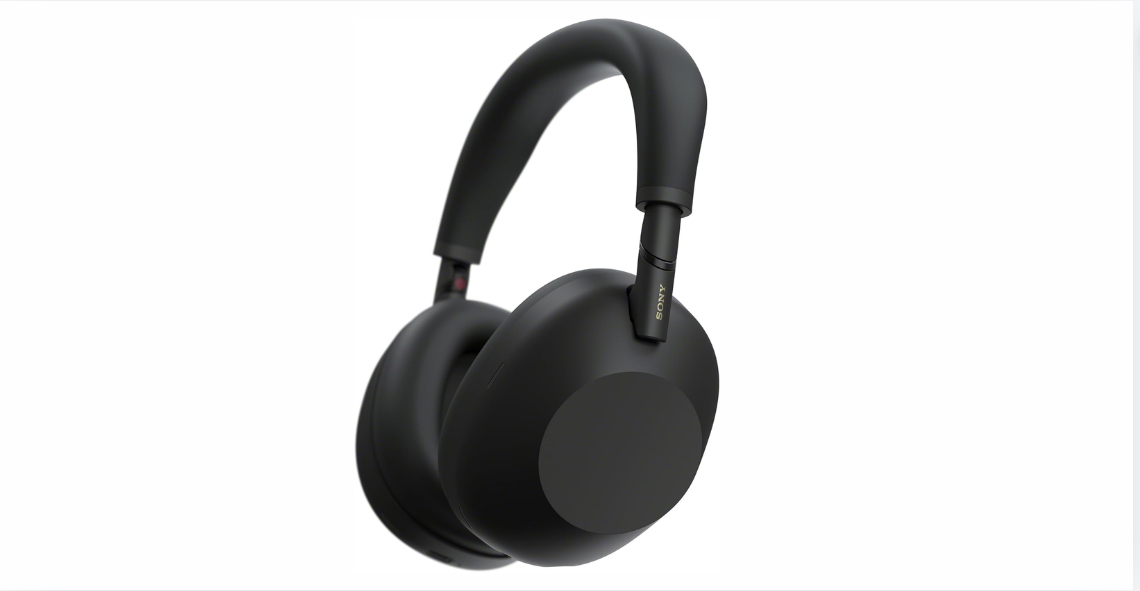
1. Sony WH-1000XM6 Wireless Noise-Canceling Headphones
Overall Best
- Around 250 g, which helps reduce head fatigue during long listening sessions
- Rated for ~30 hours of battery life, supporting multi-day use without frequent charging
- Frequency response tuned for balance, supporting relaxed listening over extended periods
- Moderate clamping force helps maintain stability without excessive side pressure
- Weight is still noticeable compared to sub-220 g models, which may matter for all-day wear
- Full-size ear cups can retain heat during sessions longer than several hours
The Sony WH-1000XM6 Wireless Noise-Canceling Headphones are positioned for extended daily use where comfort consistency matters most. With a weight of around 250 g, the design minimizes downward pressure on the head, helping reduce fatigue during multi-hour sessions. This lighter build supports long listening periods without creating noticeable strain.
Ear cup padding is designed to distribute pressure evenly around the ears. Internal space helps prevent direct contact with internal components, which becomes important during longer sessions. The headband applies balanced tension, keeping the headphones stable without excessive clamping force.
Battery performance also supports extended use. With a rated battery life of approximately 30 hours, the headphones are positioned to last several days of typical listening without frequent charging. This aligns well with work-from-home and travel use cases where charging access may be limited.
We evaluated its overall comfort profile and found that weight balance, padding softness, and battery endurance work together to support long-session wear. The frequency tuning favors a smooth presentation, which further reduces listening fatigue during extended use.
View on Amazon: Sony WH-1000XM6 Wireless Noise-Canceling Headphones
2. Bose QuietComfort Ultra Wireless Headphones (2nd Gen)
Best for Long Workdays
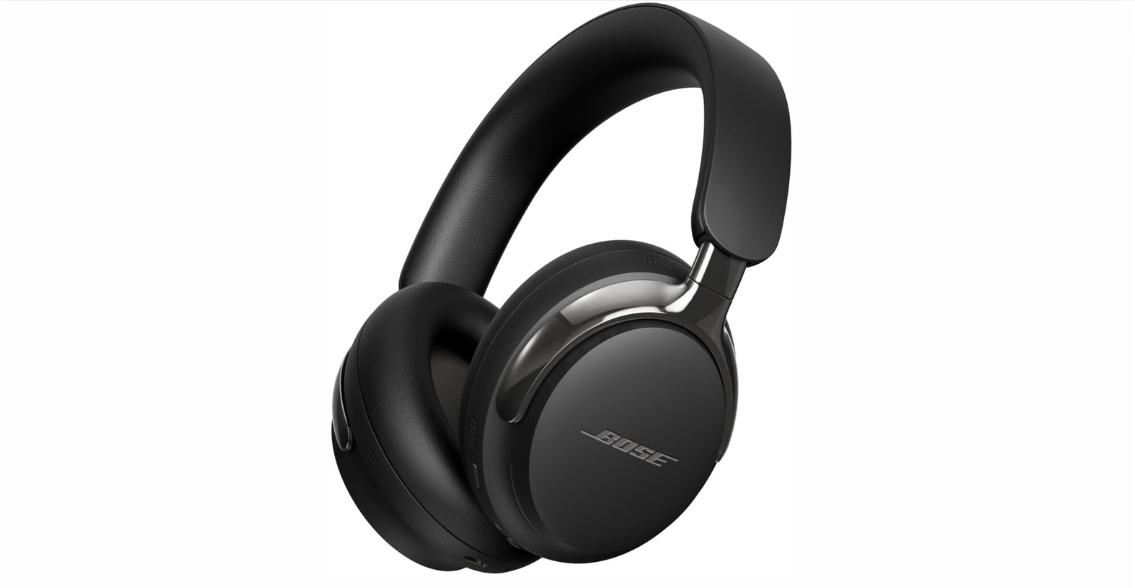
- Approximately 252 g, keeping overall pressure manageable during long sessions
- Rated 24 hours of battery life, which aligns well with daily work use
- Frequency tuning emphasizes smooth mids, reducing listening fatigue
- Low clamping force supports comfort for extended seated use
- Battery life falls below 30 hours, which may require more frequent charging
- Larger ear cups increase surface contact, which can contribute to heat buildup
The Bose QuietComfort Ultra Wireless Headphones (2nd Gen) are designed to remain comfortable throughout full workdays. Weighing roughly 252 g, they apply minimal pressure across the head, which helps reduce tension during prolonged seated listening. This makes them suitable for extended desk use.
The ear cushions use plush padding that conforms gently around the ears. This reduces pressure buildup over time and helps prevent soreness during long calls or continuous playback. The relaxed clamping force supports stability without feeling restrictive.
Battery life is rated at around 24 hours, which comfortably covers a full workday and typical evening listening. While shorter than some competitors, this range remains sufficient for daily routines without mid-day charging.
We evaluated the long-session comfort and found that the combination of low clamping force, soft padding, and manageable weight supports sustained wear. The frequency balance remains smooth, helping avoid fatigue during extended listening at moderate volumes.
View on Amazon: Bose QuietComfort Ultra Wireless Headphones (2nd Gen)
3. Apple AirPods Max Wireless Over-Ear Headphones
Best Lightweight Design
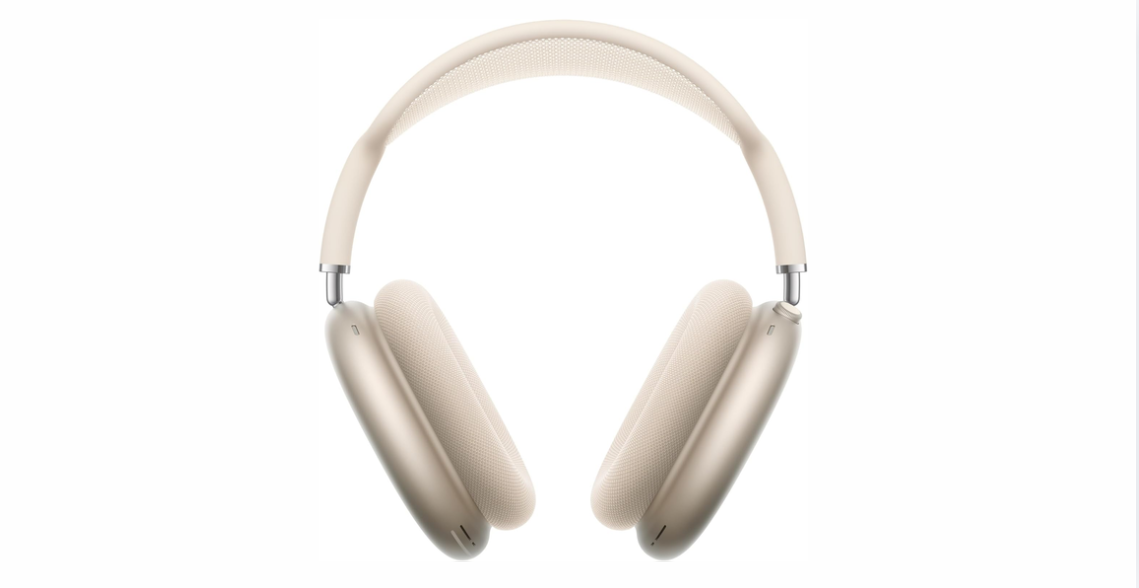
- Even weight distribution offsets its ~385 g mass, reducing pressure concentration
- Breathable mesh headband improves airflow during long sessions
- Wide frequency range supports clear detail at moderate listening volumes
- Stable fit minimizes the need for frequent repositioning
- Overall weight remains higher than most competitors, which may affect long-term wear
- Battery life, around 20 hours, is shorter than many comfort-focused alternatives
The Apple AirPods Max Wireless Over-Ear Headphones emphasize balanced weight distribution despite a higher overall mass of around 385 g. The mesh headband spreads weight evenly, reducing pressure concentration at the crown of the head during longer sessions.
Ear cups are shaped to sit naturally around the ears, with consistent cushioning that supports stability without excessive compression. This design helps maintain comfort even as listening sessions extend beyond an hour.
Battery life is rated at approximately 20 hours, which supports daily use but may require more frequent charging compared to longer-lasting models. This makes them better suited for stationary use rather than extended travel.
We evaluated comfort performance and found that effective weight distribution offsets the heavier build. The wide frequency response supports clear detail at lower volumes, which aligns well with long-session listening comfort
View on Amazon: Apple AirPods Max Wireless Over-Ear Headphones
4. Sennheiser Momentum 4 Wireless Headphones
Best for Travel Comfort
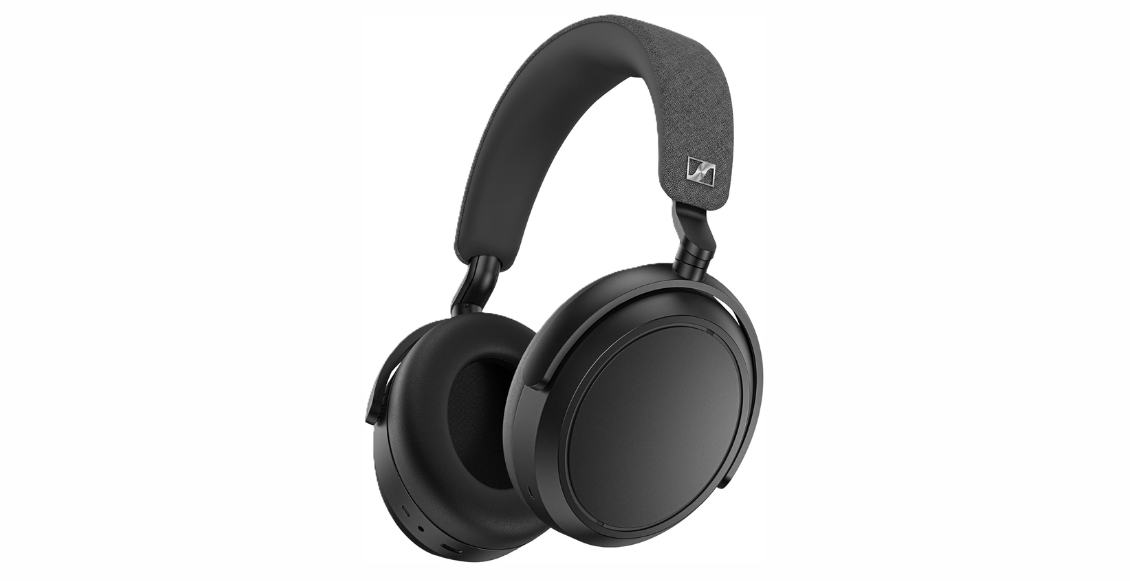
- Lightweight design around 293 g, supporting long flights and commutes
- Rated for ~60 hours of battery life, reducing charging needs during travel
- Ear cup depth helps avoid ear contact with internal components
- Frequency tuning favors balanced playback for extended listening
- Clamping force may feel firmer for users sensitive to side pressure
- Large ear cups can feel bulky when worn for very long sessions
The Sennheiser Momentum 4 Wireless Headphones are designed for extended wear during travel and commuting. With a weight of around 293 g, they remain light enough to reduce fatigue during long flights or train rides.
Ear cup depth helps prevent the ears from pressing against internal components, which becomes noticeable during long sessions. Padding softness supports comfort while maintaining a secure fit during movement.
Battery performance stands out, with a rated battery life of up to 60 hours. This significantly reduces charging frequency and supports multi-day travel without needing to carry charging accessories.
We evaluated travel comfort and found that lightweight construction, generous ear cup space, and long battery life work together to support extended listening. The frequency tuning favors balance, which helps reduce fatigue during long journeys.
View on Amazon: Sennheiser Momentum 4 Wireless Headphones
5. Bowers and Wilkins Px8 S2 Wireless Over-Ear Headphones
Best Breathable Ear Cups
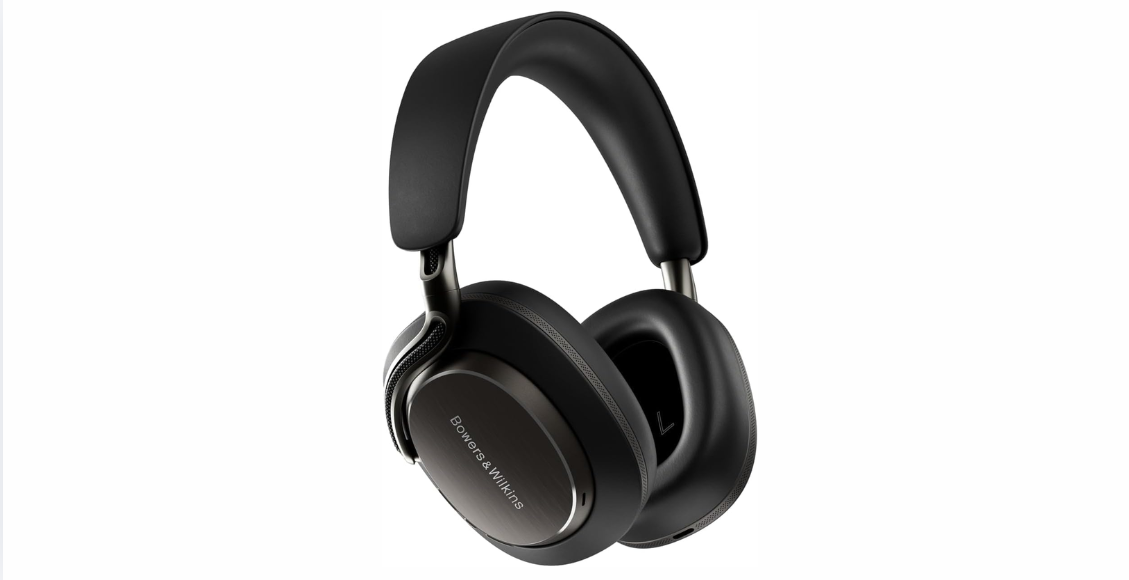
- Premium padding materials improve airflow and reduce heat buildup
- The weight of around 320 g remains manageable due to even pressure distribution
- Refined frequency tuning supports smooth, non-fatiguing listening
- Firm structure maintains stability during movement
- A heavier build may feel noticeable after several hours
- A stronger clamping force can cause pressure fatigue for some users
The Bowers and Wilkins Px8 S2 Wireless Over-Ear Headphones place a strong emphasis on material quality and long-session comfort. Weighing around 320 g, the design relies more on even pressure distribution than minimal mass, which helps reduce localized fatigue during extended listening. This approach allows the headphones to remain comfortable over time without feeling overly tight or restrictive.
Premium padding materials play a central role in managing comfort. Soft cushioning combined with breathable surfaces helps reduce heat buildup, which becomes increasingly noticeable during sessions lasting several hours. This balance supports continuous listening without the discomfort often caused by trapped warmth or moisture.
Battery performance further supports extended daily use. With a rated battery life of approximately 30 hours, the headphones are positioned to last multiple days under typical listening patterns. This reduces the need for frequent charging and supports consistent use across work and leisure sessions.
We evaluated extended wear comfort and found that breathable materials, balanced clamping force, and stable weight distribution work together to maintain comfort over time. The frequency tuning leans smooth and controlled, which helps minimize listening fatigue and supports relaxed, long-session playback.
View on Amazon: Bowers and Wilkins Px8 S2 Wireless Over-Ear Headphones
6. Philips Fidelio X3 Professional Studio Monitor Headphones
Best Lightweight Comfort Choice
- Weight near 330 g, balanced to reduce pressure hotspots
- Rated ~30 hours of battery life, supporting long daily use
- Relaxed frequency tuning prioritizes comfort over aggressive sound
- Soft ear padding adapts well to different head shapes
- Heavier than ultra-light models under 280 g
- The ear cup size may feel large for smaller heads
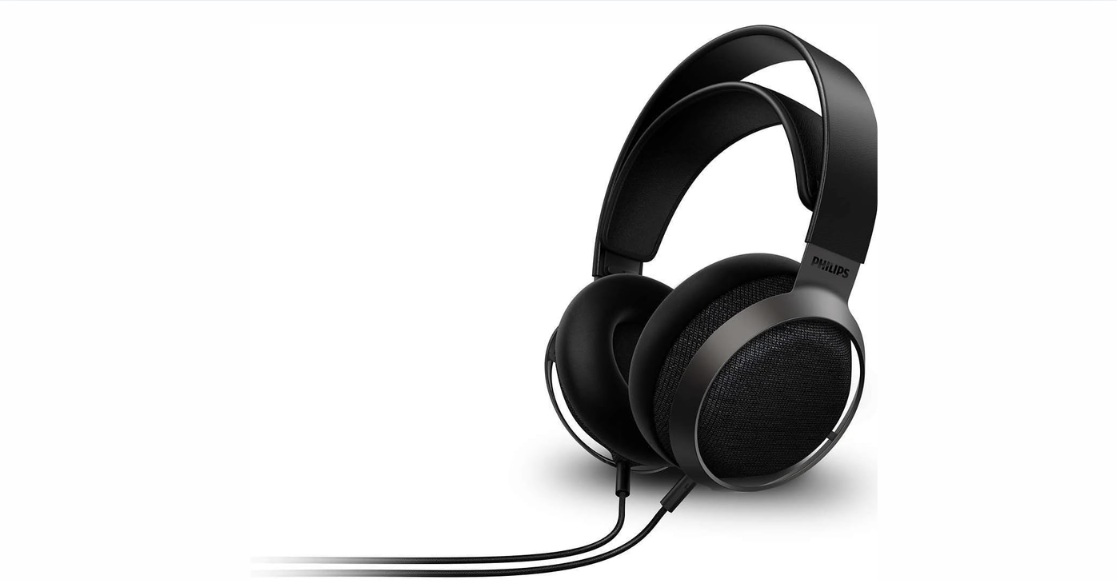
The Philips Fidelio X3 Professional Studio Monitor Headphones are designed with comfort stability as a core focus for extended daily use. With a weight close to 330 g, the design emphasizes even pressure distribution rather than minimal mass, which helps reduce localized strain during longer listening sessions. This balance supports wearability over several hours without creating noticeable pressure points.
Soft ear padding adapts naturally to different head and ear shapes, allowing the headphones to sit comfortably without excessive compression. This adaptive cushioning helps reduce pressure around sensitive areas of the ears, which becomes increasingly important during extended use. The padding also contributes to a stable fit without requiring frequent adjustments.
The headband applies controlled and consistent tension across the top of the head. This helps maintain positioning without excessive side pressure, supporting comfort during both stationary listening and light movement. The result is a fit that feels secure without becoming restrictive over time.
Battery life is rated at around 30 hours, positioning the headphones well for extended daily listening across work and leisure sessions. We evaluated overall comfort and found that balanced clamping force, adaptive padding, and stable weight distribution work together to support long-session wear. The frequency tuning remains relaxed and controlled, helping minimize listening fatigue during prolonged use.
View on Amazon: Philips Fidelio X3 Professional Studio Monitor Headphones
7. Beyerdynamic DT 900 Pro X Open-Back Headphones
Best Studio-Inspired Comfort
- Open-back design improves airflow, reducing heat during long sessions
- Velour ear pads minimize pressure and skin irritation
- Weight around 345 g feels lighter due to low clamping force
- Wide frequency response supports natural, fatigue-free listening
- Open-back design offers no isolation, limiting use in shared spaces
- Wired-only use reduces mobility for everyday listening
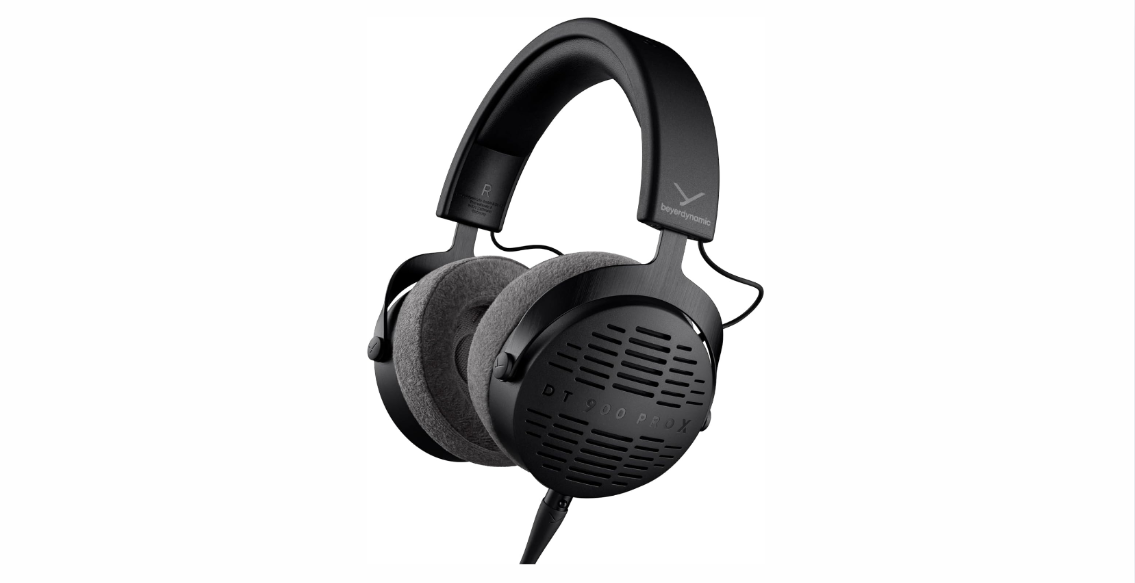
The Beyerdynamic DT 900 Pro X Open-Back Headphones prioritize airflow and pressure reduction for extended indoor listening. Weighing approximately 345 g, they rely on low clamping force and an open-back structure to feel lighter in use than the number alone suggests. This design reduces side pressure and helps prevent fatigue during long listening sessions.
Velour ear pads play a key role in comfort by reducing heat retention and minimizing skin irritation. The soft, breathable material allows airflow around the ears, which helps maintain comfort during multi-hour sessions. This becomes especially beneficial in stationary environments where headphones are worn continuously.
As a wired, open-back design, battery life is not a factor, shifting the focus entirely to physical comfort and consistency. The wide frequency response supports natural and balanced playback, avoiding aggressive emphasis that can become tiring over time. This tuning aligns well with listening scenarios that extend for several hours.
We evaluated long-session wearability and found that open airflow, low clamping pressure, and breathable materials work together to reduce fatigue. These characteristics make the headphones well-suited for extended indoor listening, particularly in environments where comfort and natural presentation are prioritized over portability.
View on Amazon: Beyerdynamic DT 900 Pro X Open-Back Headphones
8. Bang and Olufsen Beoplay H95 Wireless Headphones
Best Premium Comfort Choice
- Soft premium padding supports extended wear without irritation
- Weight around 323 g is well balanced across the head
- Rated ~38 hours of battery life, reducing charging frequency
- Controlled frequency tuning favors smooth, long-session listening
- Heavier than minimalist designs, which may affect all-day comfort
- Larger ear cups can feel warm during prolonged use
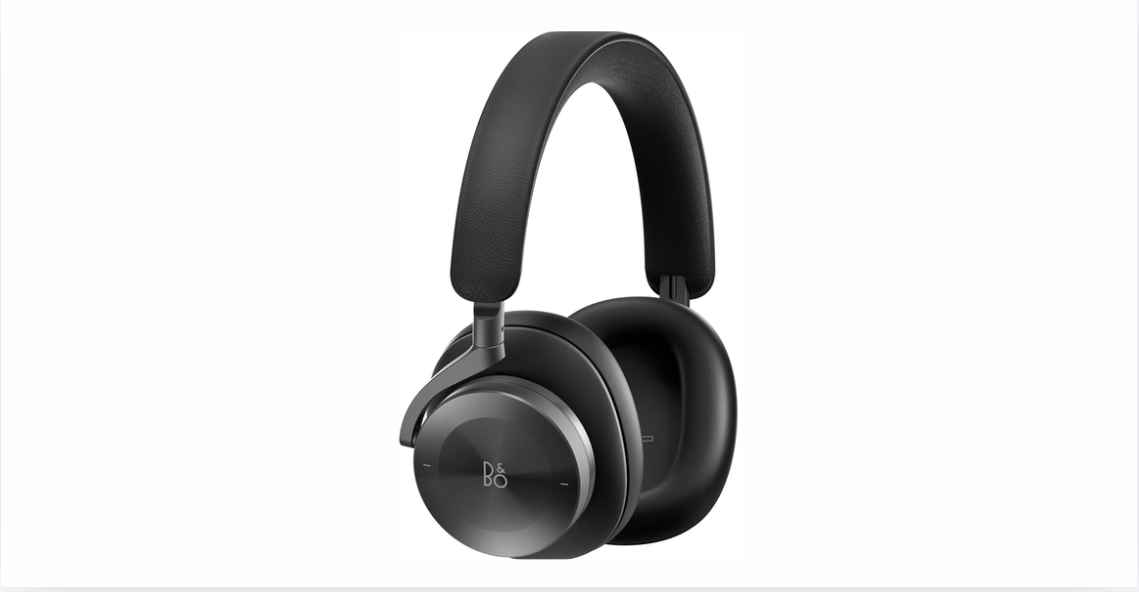
The Bang and Olufsen Beoplay H95 Wireless Headphones emphasize refined comfort through premium materials and thoughtful ergonomic design. With a weight of around 323 g, the headphones rely on even pressure distribution rather than minimal mass, which helps prevent fatigue during extended listening sessions. This balance allows them to remain comfortable over time without feeling overly tight.
Soft cushioning around the ear cups plays a central role in long-session comfort. The padding reduces direct pressure on the ears while maintaining a stable seal, helping support extended wear without irritation. The headband design further balances stability and comfort, keeping the headphones securely positioned without excessive clamping force.
Battery performance supports prolonged daily use. With a rated battery life of approximately 38 hours, the headphones are positioned to last multiple days under typical listening patterns. This reduces charging frequency and supports continuous use across work, travel, and leisure scenarios.
We evaluated overall comfort performance and found that premium padding, balanced weight distribution, and long battery life work together to support extended use. The frequency tuning favors smoothness and control, which helps minimize listening fatigue and makes the headphones well-suited for longer listening periods.
View on Amazon: Bang and Olufsen Beoplay H95 Wireless Headphones
Frequently Asked Questions About Most Comfortable Headphones
1. What makes headphones comfortable for long listening sessions?
Comfort is influenced by weight distribution, clamping force, ear cup shape, and padding materials. Designs that balance these factors help reduce pressure buildup and heat retention over time. This allows headphones to remain wearable for multi-hour sessions without causing fatigue or irritation.
2. Does lighter weight always mean better comfort?
Lower weight can help reduce strain, but comfort depends more on how weight is distributed. Heavier headphones with even pressure distribution and good padding can feel more comfortable than lighter models with poor balance. Ergonomic design often matters more than weight alone
3. How does clamping force affect comfort?
Clamping force determines how tightly headphones grip the head. Excessive force can cause side pressure and discomfort, while too little can lead to instability. Comfortable headphones maintain a balanced clamping force that keeps them secure without feeling restrictive.
4. Are memory foam ear pads better for comfort?
Memory foam ear pads adapt to the shape of the head and ears, helping reduce pressure points. This adaptive fit supports stability and comfort during extended use. When paired with breathable coverings, memory foam can also help manage heat buildup.
4. Are memory foam ear pads better for comfort?
Memory foam ear pads adapt to the shape of the head and ears, helping reduce pressure points. This adaptive fit supports stability and comfort during extended use. When paired with breathable coverings, memory foam can also help manage heat buildup.
6. Is battery life important for comfort-focused headphones?
Battery life does not directly affect physical comfort, but it influences usability during long sessions. Headphones rated for 30 hours or more reduce interruptions caused by frequent charging. This supports continuous use across work, travel, and leisure.
7. Are open-back headphones more comfortable than closed-back models?
Open-back headphones often feel more comfortable during long sessions due to better airflow and lower pressure buildup. However, they provide little isolation and are best suited for quiet, indoor environments. Comfort benefits depend on the listening context.
8. How should comfortable headphones fit during extended use?
Comfortable headphones should feel secure without creating pressure points. The ear cups should surround the ears naturally, and the headband should distribute weight evenly. A proper fit allows users to forget they are wearing headphones during long sessions.
Final Words
Comfort-focused headphones in 2026 reflect how listening habits increasingly involve longer, more continuous sessions across work, travel, and leisure. Models such as the Sony WH-1000XM6 Wireless Noise-Canceling Headphones and Bose QuietComfort Ultra Wireless Headphones (2nd Gen) stand out for balancing manageable weight with stable pressure distribution, supporting extended daily use without frequent discomfort.
Design approaches vary across the category. The Apple AirPods Max Wireless Over-Ear Headphones emphasize even weight distribution despite a heavier build, while the Sennheiser Momentum 4 Wireless Headphones prioritize lightweight construction and extended battery life for travel-oriented use. Each reflects a different interpretation of long-session comfort based on listening context.
Material choice and structure also play a defining role. The Bowers and Wilkins Px8 S2 Wireless Over-Ear Headphones and Bang and Olufsen Beoplay H95 Wireless Headphones focus on premium padding and controlled clamping force to maintain comfort over time. Meanwhile, the Philips Fidelio L3 Wireless Noise-Canceling Headphones balance adaptive padding with a stable fit for mixed work and leisure listening.
For stationary environments, the Beyerdynamic DT 900 Pro X Open-Back Headphones highlight how airflow and reduced pressure can support fatigue-free, extended indoor listening. Together, these eight models illustrate how comfort is shaped by weight distribution, materials, clamping behavior, and usage patterns, helping listeners identify headphones that align best with their long-term listening needs.